Zylo Ecosystem
 Pearl
Pearl Walrus
 Derive
 Quantus
 Aerodrome Finance
 Sui
Sui
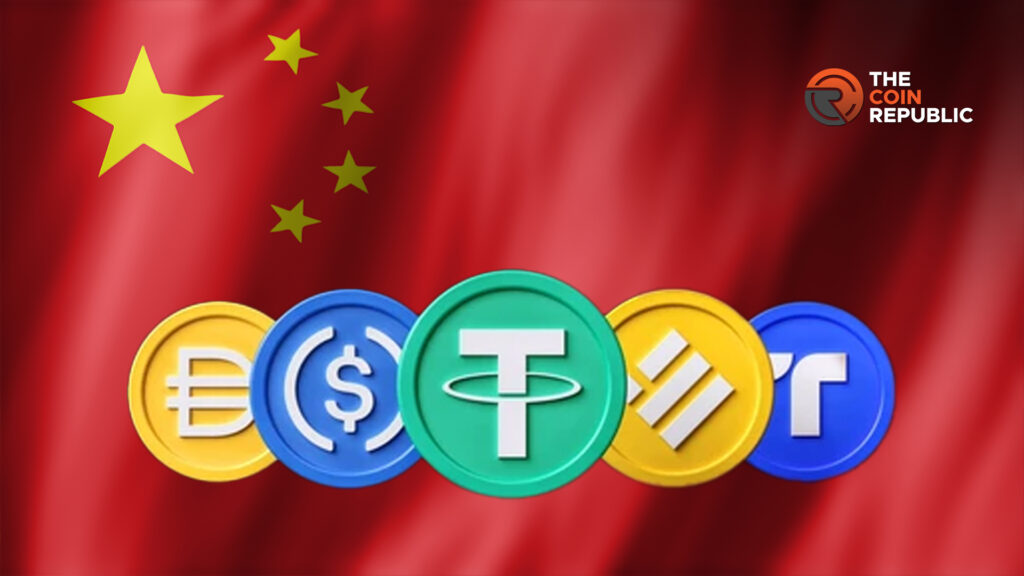
China is reportedly considering allowing the use of yuan-backed stablecoins for the first time.
The proposal was linked to efforts to increase the global role of its currency.
According to sources, the State Council, which serves as China’s cabinet, planned to review the roadmap later this month.
China Moves Closer to Stablecoin Adoption
According to Reuters, top officials in China discussed the idea of yuan-backed stablecoins as part of a wider push to internationalize the currency.
Sources said the cabinet would study and possibly approve the plan before the end of August.
The plan would set out goals for the use of the yuan in global markets. It would also define the role of regulators and include steps to control risks.
Senior leaders were expected to meet this month for a study session on the same topic.
During the session, leaders would deliver remarks to guide future decisions. Their focus would be on the use of stablecoins in business and the limits on their application.
If approved, this would represent a major shift in policy. In 2021, China banned cryptocurrency trading and mining.
At the time, officials pointed to risks for the financial system, and since then, the country has kept a tight stance on digital assets.

The new proposal suggested a change, showing the growing use of stablecoins in global trade and finance.
Stablecoins are digital tokens tied to traditional currencies. Their value is usually kept stable against the dollar or other fiat money.
Traders often used them to move funds between markets. Allowing a yuan-backed version would align China with a trend seen in other major economies.
Limited Role of the Yuan in Global Finance
Despite being the currency of the world’s second-largest economy, the yuan had not gained wide use overseas.
Data from SWIFT showed that the yuan’s share of global payments fell to 2.88% in June, the lowest level in two years.
By comparison, the US dollar made up 47.19% of payments in the same period.
One reason for the yuan’s limited role was China’s strict capital controls. These rules restricted money flows across the border.
Some exceptions existed, such as trading links with Hong Kong, but these did not allow large-scale use of the yuan abroad.
Market watchers believed such rules could also limit the potential of yuan-backed stablecoins, even if approved.
It is important to add that China had long aimed for its currency to gain status similar to the dollar or the euro.
Its large trade surplus and controlled markets, however, worked against that goal.
The new plan on stablecoins was designed to move closer to the aim of wider recognition.
A Global Trend in Stablecoin Development
The stablecoin push in China came as other countries moved forward with their stablecoin policies.
In the United States, President Donald Trump expressed support for stablecoins soon after taking office in January.
His administration began building a framework to regulate dollar-pegged tokens, giving them a clearer place in the financial system.
In line with the above, President Trump recently signed a Stablecoin law, the GENIUS Act.
China’s possible approval of yuan-backed stablecoins would be its most significant step on digital assets since the 2021 ban.
The State Council’s decision later this month would determine how far the country was willing to go.
If approved, the move could open new channels for the yuan in international trade, though capital controls remained a key hurdle.
The study session of senior leaders and the cabinet’s review were expected to set the official tone.
The decisions made there would shape how the stablecoin plan developed, as well as its role in business.
While challenges remained, China’s new approach suggested it was ready to test the use of stablecoins as part of its global strategy.