Bitcoin
 Aerodrome Finance
 Zerebro
 Starknet
 Zama
Zama Pearl
Pearl ZKsync
- Digital assets are providing financial services to the unbanked and underbanked populations.
- Real-world assets like real estate can be tokenized for fractional ownership.
- Digital assets like cryptocurrencies provide a transparent way to record transactions.
Digital assets are a significant part of the financial landscape. Cryptocurrencies, stablecoins, and non-fungible tokens (NFTs) are top digital assets globally. These assets have changed how value is created and exchanged.
They offer several advantages over traditional finance. Crypto transactions often have lower fees compared to traditional banking services. Also, crypto assets store all transactions on a public ledger named blockchain.
It provides transparency and reduces the risk of fraud in making transactions. Also, blockchain-based assets have reduced the reliance on central authorities for financial services. Digital asset transactions can be completed in minutes compared to traditional bank transfers.
The adoption of digital assets like cryptocurrencies is reshaping the financial systems. Around 560 million people own cryptocurrencies. Also, introducing various Bitcoin ETFs and improving crypto regulatory clarity has progressed the crypto market.
Several banks, financial institutions, and investors have embraced digital assets. In this article, we will tell you how the adoption of increasing digital assets is changing the financial world.
Let’s get to know what are Digital Assets
Digital assets are anything created and stored digitally that has value. Earlier, it used to refer to media formats such as photos, videos, and documents. After the introduction of blockchain technology, the term ‘digital assets’ expanded.
It includes cryptocurrencies, stablecoins, non-fungible tokens (NFTs), Central bank digital currencies (CBDCs), security tokens, and tokenized real estate.
The first cryptocurrency, Bitcoin, was created by an anonymous entity known as Satoshi Nakamoto. It paved the way for other cryptocurrencies and blockchain projects. Afterward, investors can tokenize physical assets, such as real estate and commodities, to create a digital asset for trading.
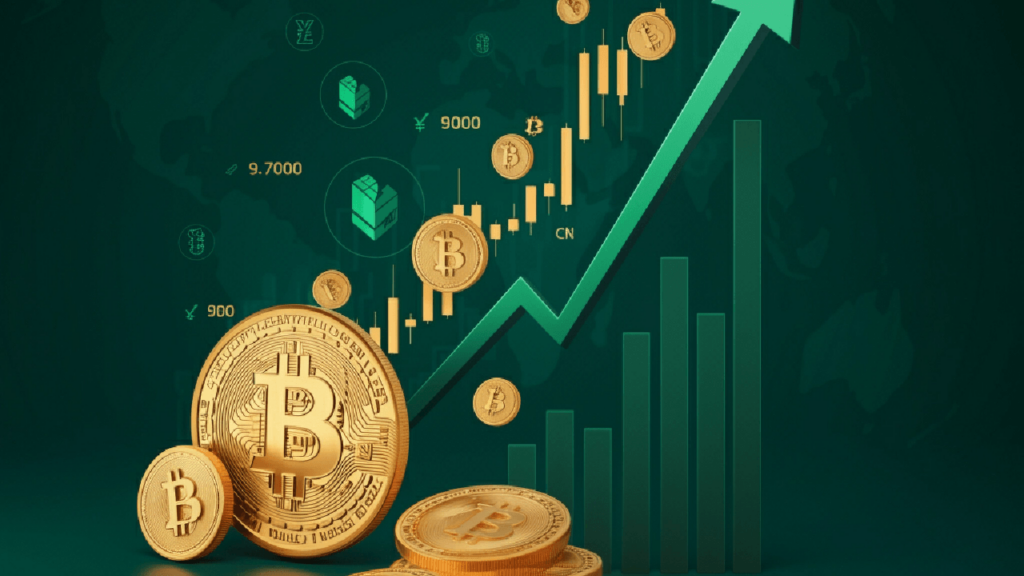
Now, blockchain technology powers several digital assets in the decentralized finance (DeFi) sector. Bitcoin (BTC), Ethereum (Ether), Dogecoin (DOGE), Cardano (ADA), and Solana (SOL) are the top cryptocurrencies used for making payments.
Then, stablecoins that are linked to fiat currencies and commodities are used. Tether (USDT) and USDC (USDC) are the tokens that maintain price stability. Also, NFTs represent ownership of unique digital items like games, avatars, art, virtual land, and more.
Factors Driving Digital Asset Adoption
There are different reasons behind the increasing adoption of digital assets for financial purposes. Many technologies have been introduced to develop these assets.
Blockchain technology and smart contracts are the best examples of how digital assets are revolutionized. These technologies offer enhanced security and transparency when making transactions. It makes cryptocurrencies and tokens more attractive to investors.
Institutional investors have shown interest in digital assets in recent years. Companies like Tesla and MicroStrategy have invested significant amounts in Bitcoin. It shows confidence in its long-term value.
Also, governments are working on bringing new regulations for managing digital assets. Clear regulations provide legal certainty and protect investors. Also, it will stop illegal financial activities via digital assets.
Countries like Switzerland and Singapore have become hubs for digital asset innovation due to their supportive regulatory environments. The adoption of digital assets will keep increasing as more people become aware of them.
Impact on Traditional Financial Institutions
Many traditional financial institutions integrate digital assets into their services. Banks offer cryptocurrency custody services. Payment processors like PayPal and Square allow users to trade cryptocurrencies.
This integration bridges the gap between traditional finance and the digital asset ecosystem. JPMorgan Chase launched its digital currency, JPM Coin, to facilitate instant payments between institutional clients. Fidelity Investments offers cryptocurrency investment products to its clients.
However, digital assets offer an alternative to traditional banking services. It enables peer-to-peer transactions without intermediaries. It reduces transaction costs. Digital assets increase financial inclusion in regions with limited access to banking services.
Case Studies For Digital Assets
Below, you can check the top examples for the proper adoption of digital assets:
- Finance
Decentralized Finance (DeFi) platforms like Aave and Compound have revolutionized lending and borrowing by eliminating intermediaries. Also, they are suitable for lenders with higher interest rates and lower user borrowing costs.
Bitcoin and Ethereum are the top cryptocurrencies for fast peer-to-peer transactions. Stablecoins are pegged to stable assets like the US dollar, which is used for trading and as a store of value. USDT (Tether) and USDC (USD Coin) are used to trade in cryptocurrency exchanges.
- Real Estate
Blockchain technology is suitable for tokenizing real estate assets. It makes it easier to buy and sell property online. Propy and RealT are the leading companies that have made real estate tokenization easier.
Even tokenization allows crypto investors to invest in a piece of a single property. This process makes real estate ownership more accessible. It creates new revenue streams for property owners.
- Art and Collectibles
NFTs are changing the art and collectibles market by providing a way to prove ownership. Platforms like OpenSea and Rarible have facilitated the sale of digital art and collectibles. Also, it has created new revenue streams for artists.
- Decentralized Storage
Protocol Labs created its cryptocurrency Filecoin (FIL) for a decentralized storage network. Users rent out their unused storage space and earn FIL tokens. Also, other users pay with FIL tokens to store their data securely across the Filecoin network.
- Play-to-Earn Gaming
Axie Infinity is a blockchain-based game that rewards players for their in-game activities using its AXS and SLP tokens. This play-to-earn model has gained significant popularity, especially in regions with limited traditional job opportunities.
What’s Next For Digital Assets?
Digital asset adoption is still reshaping the financial landscape. As adoption grows, digital assets will play an essential role in the global economy.
More individuals and institutions are recognizing their benefits. Increased regulatory clarity and technological advancements will further drive adoption.
Future developments include improved blockchain scalability solutions and enhanced privacy features. It will increase the trust in the digital assets. Then, integrating artificial intelligence and machine learning in digital asset management can eliminate manual intervention.
We can expect digital assets to continue challenging traditional financial systems. They will surely drive the development of new financial products and services.
Disclaimer
This article is for informational purposes only. Digital assets like cryptocurrencies involve inherent risks due to the volatility in price. Readers should conduct their own research before making any investment decision. Also, you can consult a crypto expert before investing in cryptocurrencies.