streamoors
 IGNITION
 Sword Inu
 no crying in the casino
 Altai the Tiger
 Pearl
Pearl Pudgy Penguins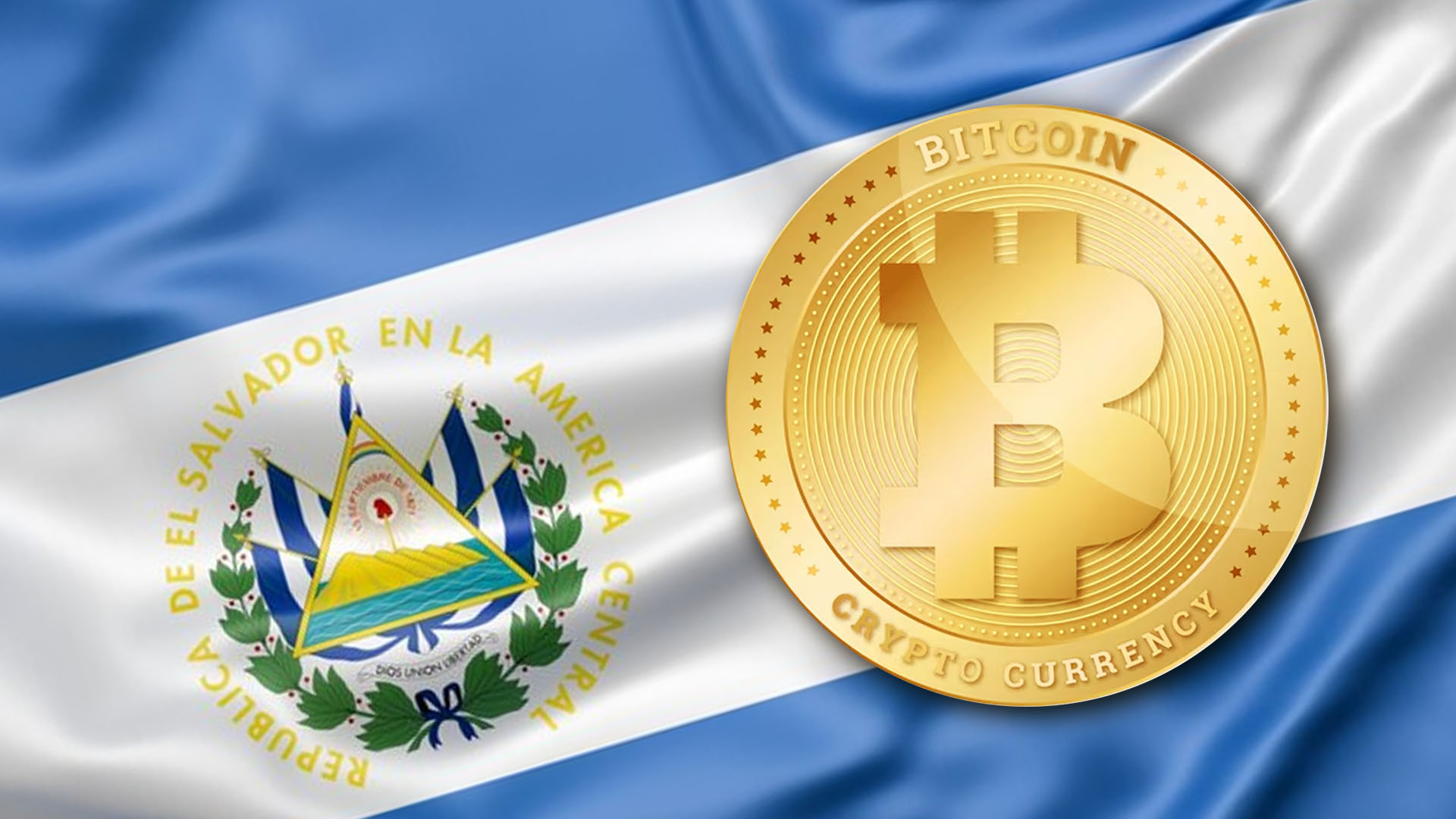
- El Salvador is considering a significant adjustment to its Bitcoin policy in order to secure a new loan from the International Monetary Fund (IMF).
- The country made history in 2021 by becoming the first to officially adopt Bitcoin as legal tender.
- However, it has faced ongoing external criticism and pressure regarding its embrace of cryptocurrency.
In September 2021, El Salvador made a groundbreaking move that quickly captured global attention and remains a topic of discussion today. The country became the first in the world to officially recognize Bitcoin as legal tender, a decision made by its Legislative Assembly. This bold step was aimed at enhancing financial inclusion.
Under President Nayib Bukele’s leadership, the government has been encouraging citizens and businesses to adopt Bitcoin for everyday transactions. For example, major brands like McDonald’s accept payments through the Lightning Network.
This innovative move raised hopes among many Bitcoin enthusiasts for several years now. They believe that cryptocurrency could eventually replace traditional fiat currencies. Notably, Bitcoin transactions in El Salvador are not subject to capital gains taxes.
However, recent developments suggest a shift in the country’s Bitcoin ambitions. Reports indicate, another breaking Bitcoin news that El Salvador is considering a loan from the IMF.
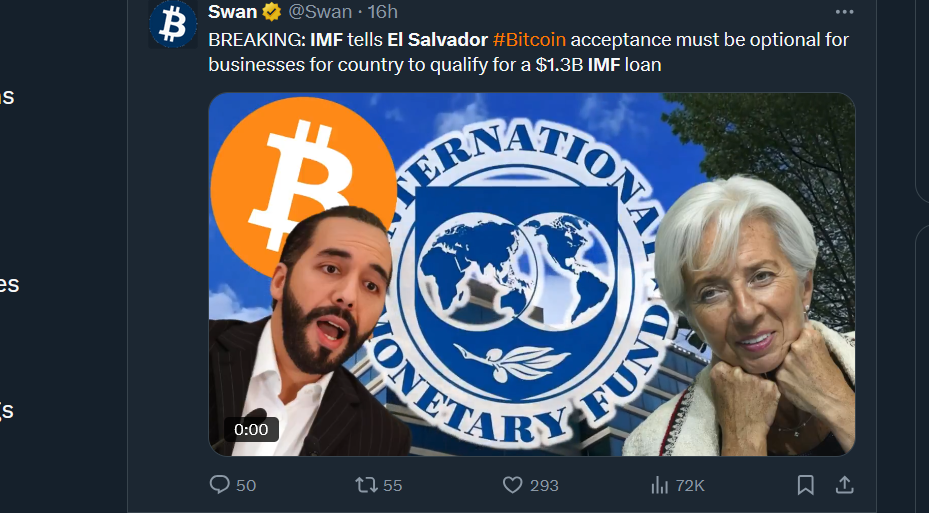
To avail of the loan, the IMF has set one of the conditions for approval. It requires a revision of its Bitcoin policies. Specifically, the IMF may require the country to make Bitcoin adoption voluntary for its citizens rather than mandatory.
Continue reading to understand the full details of this breaking Bitcoin news.
How Has El Salvador’s Bitcoin Adoption Impacted Its Financial Position?
Since enacting its Bitcoin Law in September 2021, El Salvador has been steadily accumulating Bitcoin. It began with an initial purchase of 200 BTC on September 6, 2021. Despite the market fluctuations and the portfolio being in the red on most occasions, the Nayib Bukele government continued to buy one Bitcoin per day.
This strategy paid off when Bitcoin surged to over $100,000 in early December 2024. It pushed El Salvador’s unrealized gains from its BTC holdings to over $300 million, which was also shared on X by Bukele.
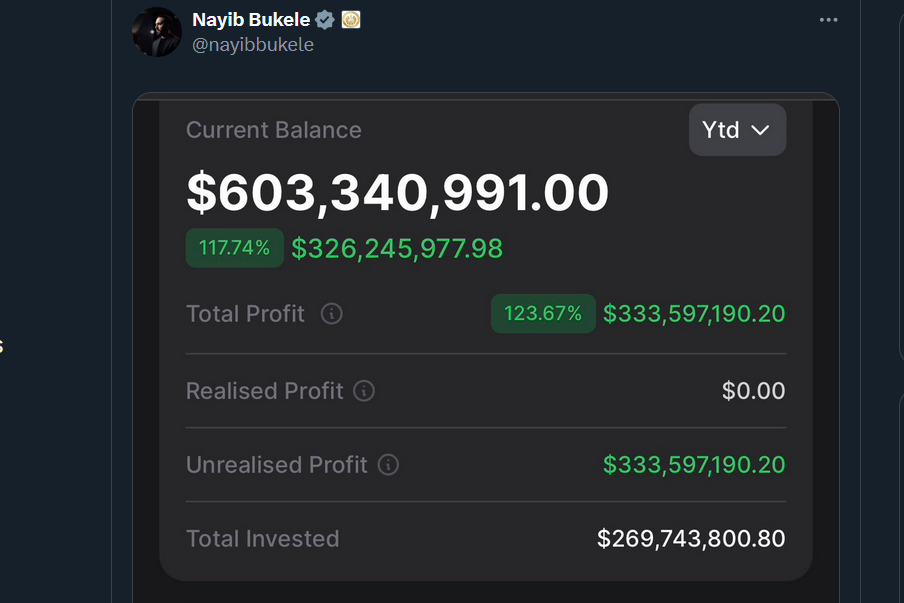
El Salvador’s Bitcoin holdings have remained largely in the green since November, with its strategic reserve now totaling 5.96K BTC. This amount is nearly ten times greater than the nation’s current debt to the IMF, which is approximately $71 million. The country has also taken advantage of its geothermal energy resources to mine Bitcoin, further boosting its reserves.
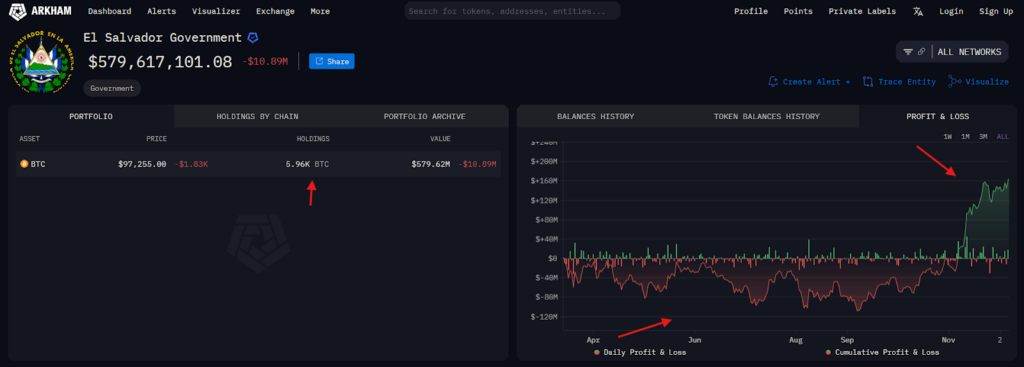

Instead of using these gains to pay down its debt, El Salvador is now looking to secure additional loans from international lenders. That might help address government budget deficits.
Which IMF Conditions El Salvador Should Meet to Secure the Loan?
El Salvador currently enforces a policy that requires local businesses to accept Bitcoin as legal tender. However, to qualify for a $1.3 billion loan from the IMF, the country would need to amend this policy.
The IMF is demanding that Bitcoin acceptance be made voluntary. It will allow businesses to choose whether or not to accept it as payment.
By meeting this condition, El Salvador could unlock $3.3 billion in total funding. A $1.3 billion IMF loan would serve as the gateway to additional loans of $1 billion from the World Bank and $1 billion from the Inter-American Development Bank.
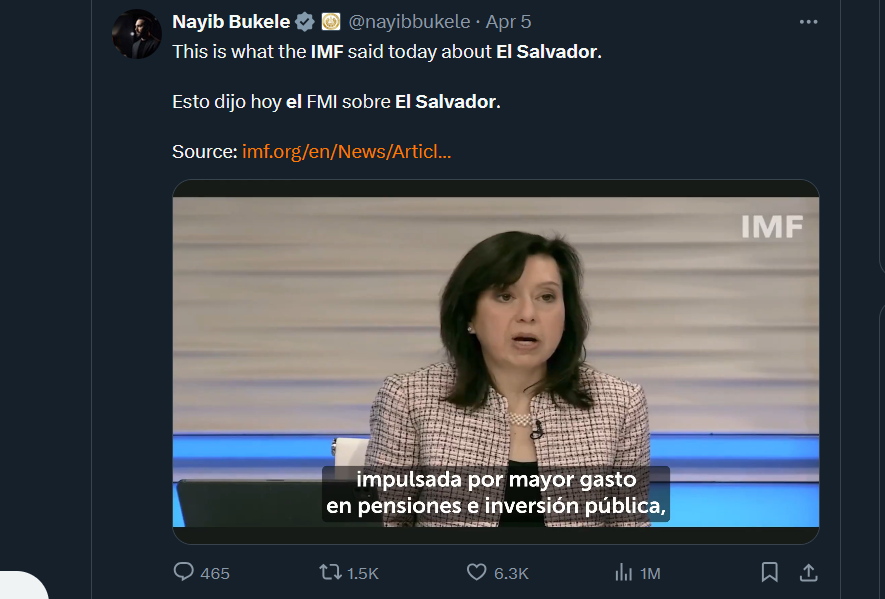
Bukele post, where imf clearly said about Bitcoin and El salvador | SOurce: X
Experts warn that complying with the IMF’s terms could have significant consequences for Bitcoin adoption in El Salvador. The shift to voluntary Bitcoin acceptance may lead to a reduced use of crypto.
Additionally, this could diminish the country’s status as a pioneer in Bitcoin integration and hinder the broader adoption of cryptocurrency that El Salvador had hoped to foster.
IMF Communication Director Highlighted Risks with BTC
El Salvador’s efforts to maintain its Bitcoin-focused policies have faced numerous challenges, particularly from the IMF. The IMF has consistently pushed the country to revise its pro-Bitcoin laws as a condition for continued engagement.
In the past, IMF Communications Director Julie Kozack highlighted the “risks” associated with Bitcoin as a significant concern for the institution. These apprehensions have led the IMF to withhold approval of El Salvador’s loan for over two years. As of now, details on how the country intends to utilize any potential funds remain unclear.
Has El Salvador’s Bitcoin Experiment Delivered Mixed Results?
El Salvador made history in 2021 by becoming the first country to officially recognize Bitcoin as legal tender. This move was met with strong opposition from the IMF. The IMF has consistently raised concerns about the financial stability risks associated with the country’s Bitcoin adoption.
In the months leading up to the law’s implementation in September 2021. The IMF issued repeated warnings to both the government and President Nayib Bukele. Cautioning them about the potential challenges for consumers in choosing between Bitcoin and traditional fiat currency for payments.
It stated: “If goods and services were priced in both a real currency and a crypto asset, households and businesses would spend significant time and resources choosing which money to hold as opposed to engaging in productive activities.”
In August of this year, President Nayib Bukele, a strong proponent of Bitcoin legalization, acknowledged that the country’s three-year Bitcoin experiment had yielded mixed results. He admitted that the implementation of BTC as legal tender still requires improvements.
In order to secure an IMF loan, El Salvador would most probably agree to make several economic adjustments. It most probably includes reducing its budget deficit, boosting reserves, and passing an anti-corruption law. However, it remains unclear how these measures might affect the country’s ambitious plans, such as the development of Bitcoin City.
Disclaimer
In this article, the views, and opinions stated by the author, or any people named are for informational purposes only, and they don’t establish the investment, financial, or any other advice. Trading or investing in cryptocurrency assets comes with a risk of financial loss.