Dacity Coin
 NEAR Protocol
 Pearl
Pearl Pudgy Penguins
 Injective
 Aerodrome Finance
 Pump.fun
Key Insights:
- Geopolitical tensions and oil price hikes weigh on the crypto market.
- Regulatory delays and liquidations contribute to today’s downturn in crypto.
- Bitcoin’s price drop reflects broader market sentiment amid uncertainty.
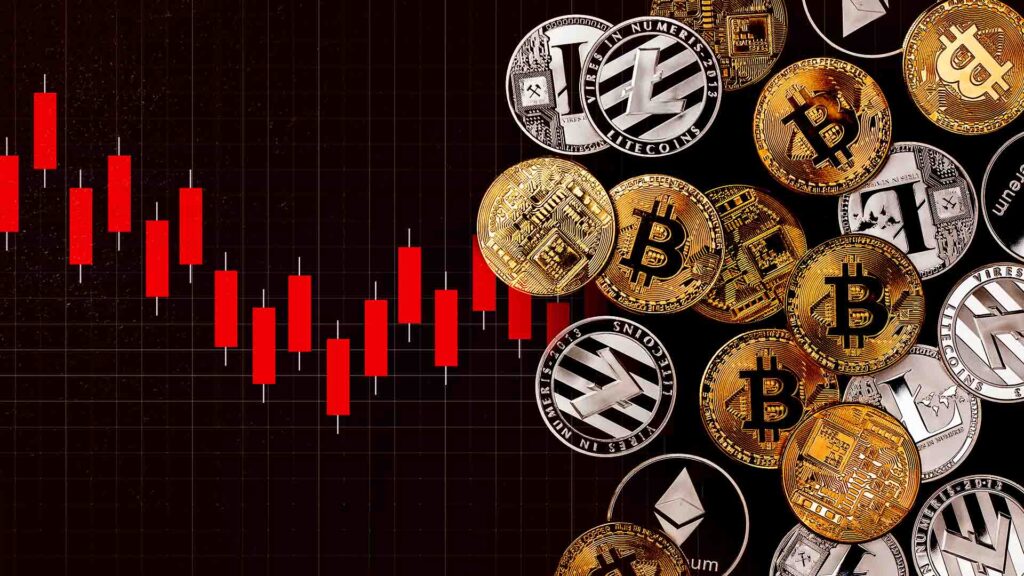
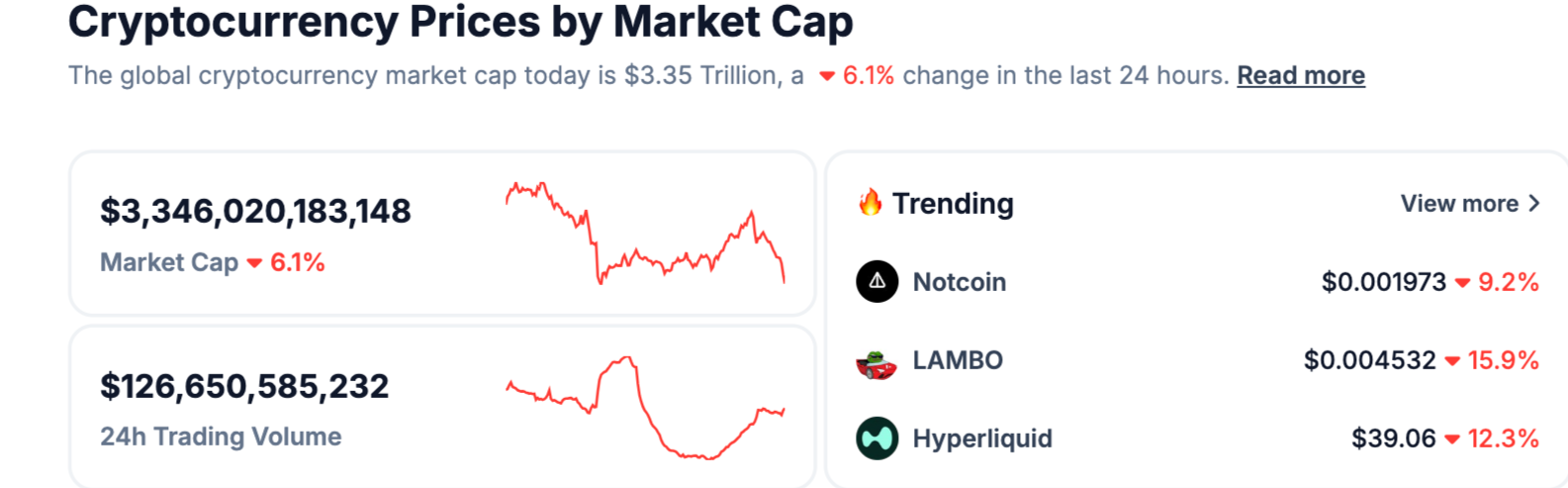
The crypto market recorded a sharp decline on June 17, with total market capitalization falling 6.1% to $3.35 trillion. The drop coincided with rising geopolitical tensions, delayed regulatory approvals, and widespread liquidations across major assets.
The decline reflected a broader shift in risk appetite, as traders responded to fresh instability in global energy markets and delays from the U.S. Securities and Exchange Commission (SEC) on major ETF decisions.
Geopolitical Tensions and Rising Risks
The other major factor that is causing the slump is the rising geopolitical risks, especially the Middle East. Fears that the conflict might intensify due to increased conflict between Iran and the West has scared both crypto and conventional markets. As an example, the Bitcoin, has at one point reached $108,915 this week and now reached the intraday low of $105,500. The fall is a reflection of a general market pattern as other markets such as the Dow Jones and Nasdaq equities also went down, indicating a general risk-aversion in the market among investors.
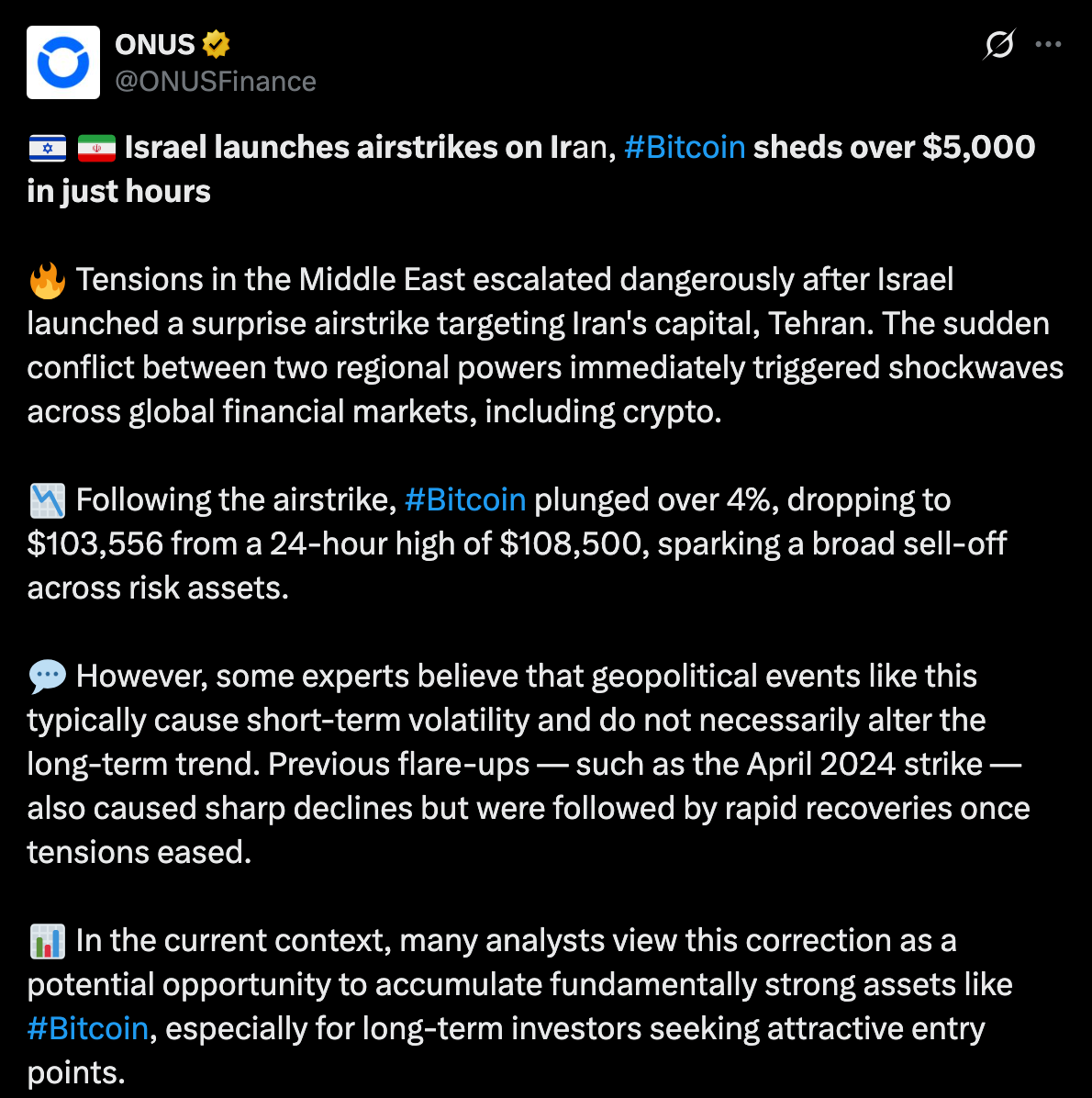
With the rising tensions, especially in view of crude oil prices having been subjected to upward pressure, the panic of a slowdown in the world economy is looming. The disruptions in the oil business, such as the recently recorded tanker collision in the Strait of Hormuz, affect inflation and the overall global trade hence creating a higher level of risk aversion and execution of liquidations in the crypto markets.
To this uncertainty, one may add a slew of regulatory uncertainties, with perhaps the most significant being the wavering of the U.S. Securities and Exchange Commission (SEC) toward the approvals of crypto-based ETFs. The announcement made by Trump Media & Technology Group to introduce a Bitcoin and Ethereum exchange-traded fund (ETF) has fallen discordant with reviving the markets, as the stock of the company still keeps falling. This demonstrates that even with the good news about crypto products, investor beliefs are weak at best, not to mention that competition grows in the crypto ETF segment.
The market has become frustrated by the scrutiny and indefinite lack of approval on the major crypto ETFs by the SEC. This has led to a feeling of uncertainty in the market, and this phenomenon had adverse impacts on market dynamics in general. This has been creating space among crypto ETFs and analysts believe that the new ones tend to fail to come out differently. This is especially when they do not bring any innovative aspect such as low fees or an aggressive branding.
Liquidations Deepen Sell-Off in Altcoins
Liquidation volumes surged in the last 24 hours, totaling over $359 million. The flush-out triggered deep losses in several high-beta altcoins, including Notcoin (-9%), LAMBO (-15%), and Hyperliquid (-12%).
These liquidations accelerated as traders unwound leveraged positions across major platforms, reinforcing bearish momentum. Combined with macro-driven fears, the technical breakdowns pushed the market into deeper correction territory.
Despite the pullback, analysts noted that previous geopolitical shocks — including the COVID-19 crisis — had preceded major crypto rebounds. Whether this decline marks a correction or the start of a longer downtrend will depend on how global tensions and regulatory events evolve.
The bearish momentum in crypto has roots in both external and internal pressures. Macroeconomic uncertainty, oil-driven inflation fears, stalled ETF approvals, and cascading liquidations all converged to drag the market lower.
Investors are now closely watching for signs of relief from geopolitical fronts or regulatory progress. These developments may determine whether the current dip becomes a long-term setback — or a short-term entry opportunity.
Disclaimer
This article is for informational purposes only and provides no financial, investment, or other advice. The author or any people mentioned in this article are not responsible for any financial loss that may occur from investing in or trading. Please do your research before making any financial decisions.