NEAR Protocol
 Bitcoin
 Puffer
 Hyperliquid
 ZKsync
 Pudgy Penguins
 Pearl
Pearl

Key Insights:
- Vitalik Buterin unveils privacy-first ‘pluralistic’ identity model for Web3.
- New system aims to decentralize and diversify digital ID frameworks
- Proposal tackles risks of surveillance and data overreach in crypto ID
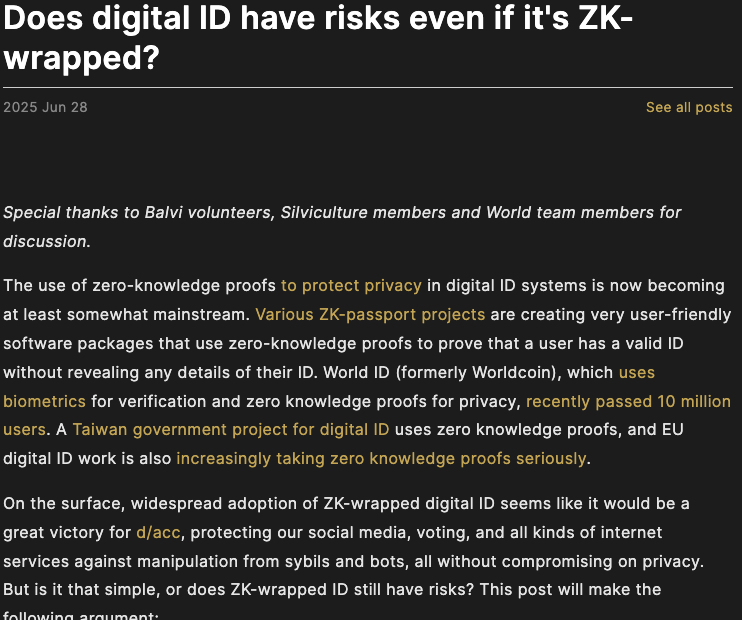
Ethereum co-founder Vitalik Buterin proposed a new way to conceptualize digital identity. On June 28, Buterin published a blog post outlining “pluralistic identities.” It’s a privacy-focused approach to Web3 identity design.
The framework challenged centralized and invasive digital ID models. It promoted flexible systems that gave users greater control over their data.
Vitalik Buterin Advocates for a Pluralistic Digital Identity Model to Enhance Privacy & Autonomy
According to Vitalik Buterin, most existing identity systems are overly strict. Even in the crypto world, they rely on individual profiles or government-issued documents.
He believes this setup mirrors the problems seen in traditional tech networks. These include excessive data collection, surveillance, and reduced control for users.
Instead, Buterin prescribes a pluralistic model. Under this system, there would be several IDs of the users, meant to suit particular circumstances.
Each online activity often requires a separate identity. These identities serve different purposes and typically aren’t linked to one another. This would lower the possibility of tracking and profiling, but still provide trust and verification.
Vitalik Buterin Proposes A Privacy-First Design for Web3
Several tools have been identified through the blog post to assist this new identity model. These are ZKPs (zero-knowledge proofs) and SBTs (soulbound tokens) technologies already being tested in the Ethereum ecosystem.
ZKPs enable users to prove facts without disclosing data about them. This way, one could demonstrate that they are over 18 without revealing their birthday. SBTs can demonstrate accomplishments or community contributions without selling back or being sold.
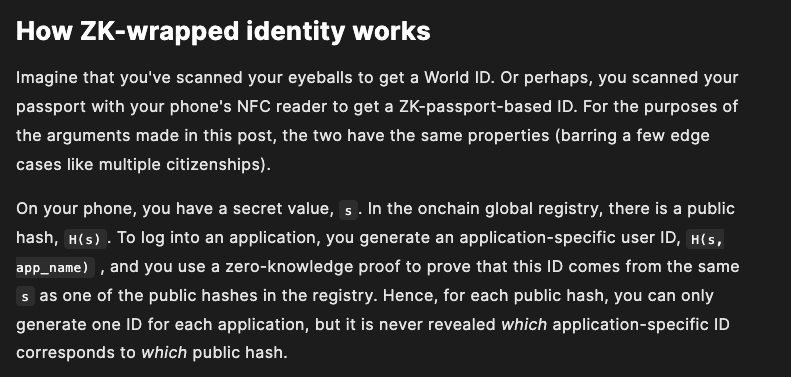
Vitalik Buterin recommends using various tools to construct decentralised and flexible ID systems. These would uphold privacy, but at the same time give trust in the web3 applications.
Eluding of Monitoring and Concentration of Power
One of the fears in the proposal by Buterin is evading surveillance. He cautions that even identity systems using blockchain can be harmful when too centralized.
Connecting one digital ID to all user activity across DeFi, social media, and government systems creates a central control point. This setup is vulnerable to abuse, surveillance, and loss of individual privacy.
Vitalik Buterin advises that these configurations may suppress opposition or access to fundamental services. He says identity systems should be modular and optional to prevent that. The users must decide on the information and people to share it with.
“Digital identity should not become a tool for control,” Buterin wrote. “It should be a framework that respects privacy and empowers individuals.”
A New Direction for Crypto Identity
The timing of Buterin is interesting as regulators and Web3 developers are increasingly becoming conscious of digital identity. Several nations are experimenting with the technology of blockchain-based ID systems.
Crypto platforms also consider ID tools for KYC (Know Your Customer) and DAO voting. Some Ethereum-based projects have already embraced this approach. Examples include ENS, Gitcoin Passport, and Verifiable Credentials.
Vitalik Buterin does not shove a particular solution. He suggests exploring interoperable, plural ID models that serve different purposes without centralizing user information.
These models could offer more flexibility and privacy. The proposal may shape how crypto-firms are structured going forward. It also aligns with regulatory frameworks like MiCA and FATF, which emphasize identity compliance in DeFi.
Disclaimer
This article is for informational purposes only and provides no financial, investment, or other advice. The author or any people mentioned in this article are not responsible for any financial loss that may occur from investing in or trading. Please do your research before making any financial decisions.