 astronaut
 Zylo Ecosystem
 Pearl
Pearl Bitcoin
 Quantus
 Pudgy Penguins
 Bitway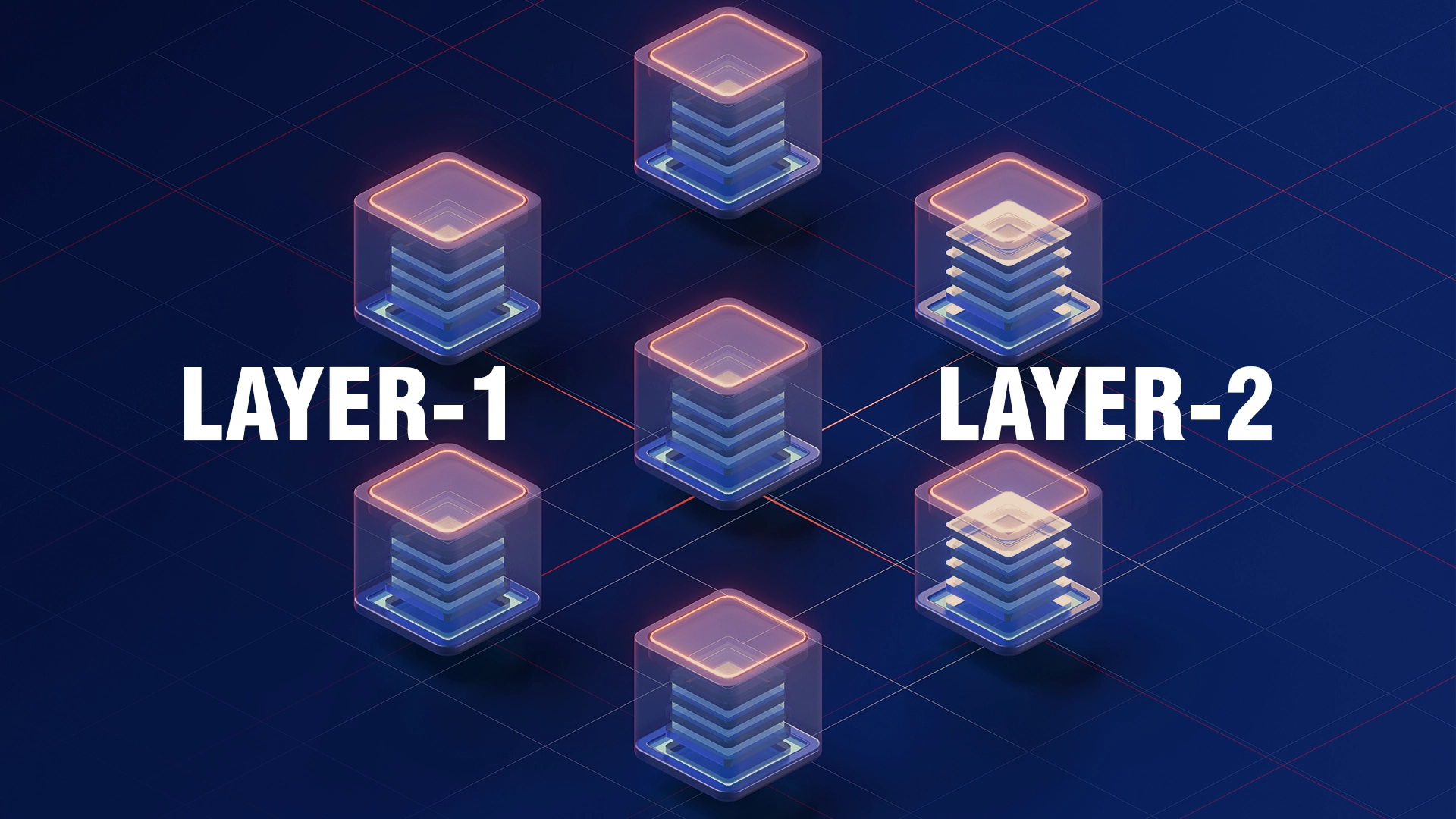
- Layer 1 and layer 2 are the two distinct scaling solutions for blockchains.
- Both play a crucial role in transforming various industries by improving transaction processing speed.
- Understanding their differences is essential to check how the blockchain ecosystem operates efficiently.
Blockchain technology has revolutionized many industries through its efficiency. The potential applications of blockchain are vast, ranging from finance to healthcare. This digital distributed ledger technology has helped many companies improve existing processes by providing decentralized solutions.
Blockchain technology makes any data in any industry immutable. It also manages thousands of cryptocurrencies in a secure record of transactions. Participants verify and confirm the authenticity of a transaction.
Blockchain applications and protocols have helped different companies in lowering costs. Layer-1 and layer-2 solutions are at the forefront of driving transformative changes across various industries.
These scaling solutions unlock new possibilities for decentralized growth. This article will tell you how Layer-1 and Layer-2 blockchain solutions make way for a more decentralized future.
Understanding Layer-1 and Layer-2 Solutions
Layer 1 and Layer 2 scaling solutions are advancements to the throughput of any blockchain network. They include protocol updates to help process more transactions.
Layer 1 is a primary blockchain, and any solutions that manage transactions off-chain Layer 2 blockchains. Layer 1 includes changing block sizes, consensus mechanisms, or splitting the database into multiple parts (sharding). Best examples of Layer 1 blockchains are Algorand, Cardano, and Ethereum.
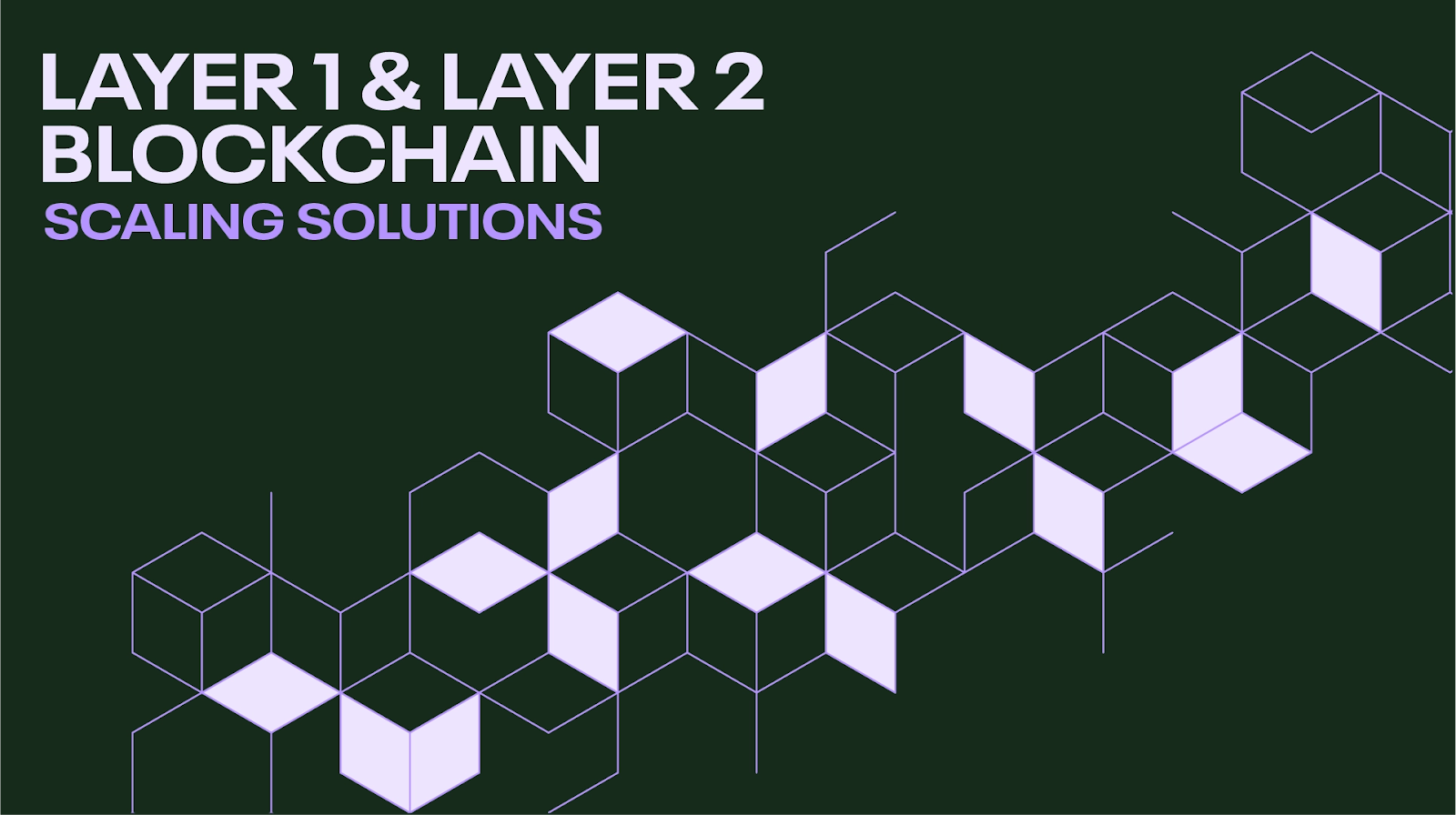
On the other hand, the Layer 2 solution is related to rollups: parallel blockchains (side chains) and off-chain handling of transactions (state channels). Top examples of Layer 2 blockchains are Arbitrum, Optimism, Lightning Network, and Polygon.
Layer-1 networks operate to provide better consensus mechanisms. It ensures the integrity of the blockchain. Then, Layer-2 networks have increased transaction throughput and reduced fees.
Key Differences Between Layer-1 and Layer-2 Solutions
Below, you can check the primary differences between Layer 1 and Layer 2 blockchain networks:
- Scalability
Different Layer-1 solutions address scalability by fundamentally changing the blockchain’s architecture. L1 increases block size and modifies consensus mechanisms to provide the best performance. A layer 1 network processes 7-15 transactions per second.
On the other hand, Layer-2 solutions enhance scalability by processing transactions off-chain. It records only the final state on the main chain. An L2 network processes thousands of transactions per second.
- Security
Layer-1 solutions offer robust security as they are integrated into the core protocol. However, they require significant consensus among network participants.
Layer-2 solutions introduce additional security risks as they rely on the underlying blockchain’s security and the integrity of the off-chain protocols.
- Decentralization
Layer-1 solutions maintain decentralization by processing all transactions on its entire network.
Layer-2 solutions compromise decentralization to some extent as they rely on off-chain mechanisms. Fewer entities control it.
Industry Applications Of Layer 1 And Layer 2 Networks
Below, you can check how these layers are applied across different sectors:
- Finance
Layer-1: Ethereum 2.0 enhances transaction speeds and reduces costs, making it more feasible for financial applications such as decentralized finance (DeFi) platforms.
Layer-2: The Lightning Network is the perfect example for managing microtransactions and cross-border payments. It is a scalable solution for financial services.
- Supply Chain Management
Layer-1: VeChain uses blockchain to enhance transparency and traceability in supply chains to ensure the authenticity of products.
Layer-2: Polygon offers efficient data handling and real-time tracking in supply chain management processes for different companies. This L2 network improves supply chain efficiency while reducing costs.
- Healthcare
Layer-1: Medibloc secures patient data management. Also, it ensures privacy and integrity of medical records.
Layer-2: Plasma facilitates faster data processing and interoperability between healthcare systems, enhancing patient care.
- Gaming
Layer-1: Enjin enables the creation of decentralized gaming platforms, allowing gamers to own and trade in-game assets securely.
Layer-2: Immutable X provides scalable in-game transactions and asset management, enhancing the gaming experience without compromising performance.
The Future Of Blockchain
Layer 2 blockchains have the potential to be the most popular in the future. They provide higher transaction speeds and low costs to the users. Also, it focuses on delivering better interoperability for different networks.
A layer 2 blockchain still needs a layer 1 to build on. Layer 2 blockchains are significant simply because they meet a drawback of layer 1s. There may be no need for layer 2 scaling solutions if layer 1 networks can singlehandedly handle the demand of users.
Disclaimer
The information available in this article is for general informational purposes only. It does not constitute professional advice on any specific blockchain technology. Readers should conduct their own research before making any decisions based on the content of this article.