Wisp
Wisp Doge Pepe
 Zylo Ecosystem
 Crawlerpad
 Pudgy Penguins
 Pearl
Pearl Basic Attention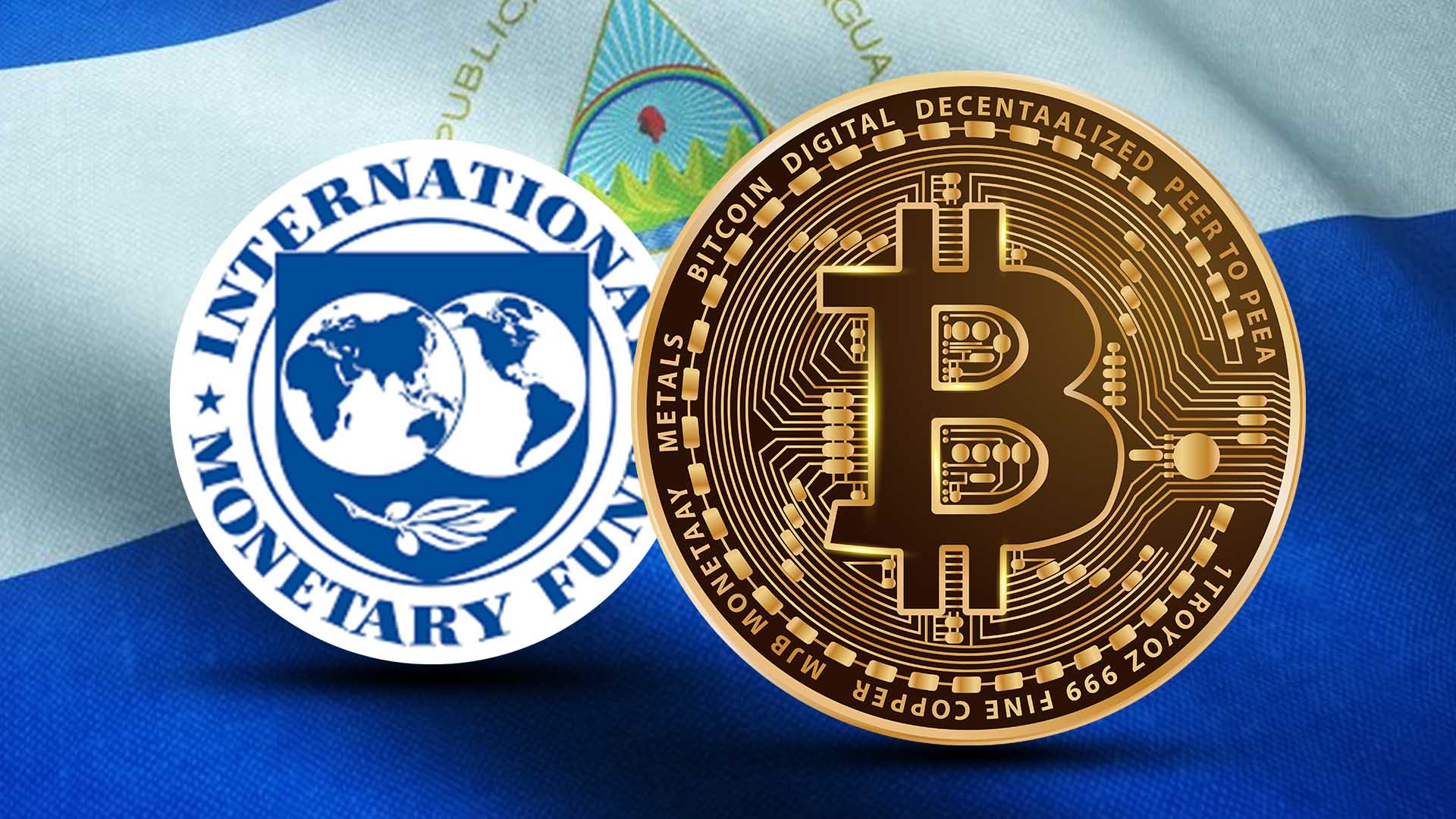
- El Salvador will retire the Chivo wallet. At the same time, El Salvador would buy Bitcoin more quickly.
- This move comes as part of the country’s efforts to comply with a $1.4 Billion loan agreement with the IMF. That requires scaling back specific public Bitcoin policies.
- Despite this, Bitcoin education initiatives and capital market projects in the country are expected to continue expanding. This signaled ongoing growth in Bitcoin-related developments.
El Salvador is a crypto-friendly nation that has been accumulating Bitcoin since 2021. Recently, this country secured a $1.4 Billion loan from the International Monetary Fund (IMF) to support its welfare initiatives.
President Nayib Bukele pledged to scale back some of its Bitcoin policies as part of the agreement. This IMF deal was announced on December 18, 2024. It stipulated that tax payments would exclusively be made in the U.S. dollar as this is the country’s other official currency.
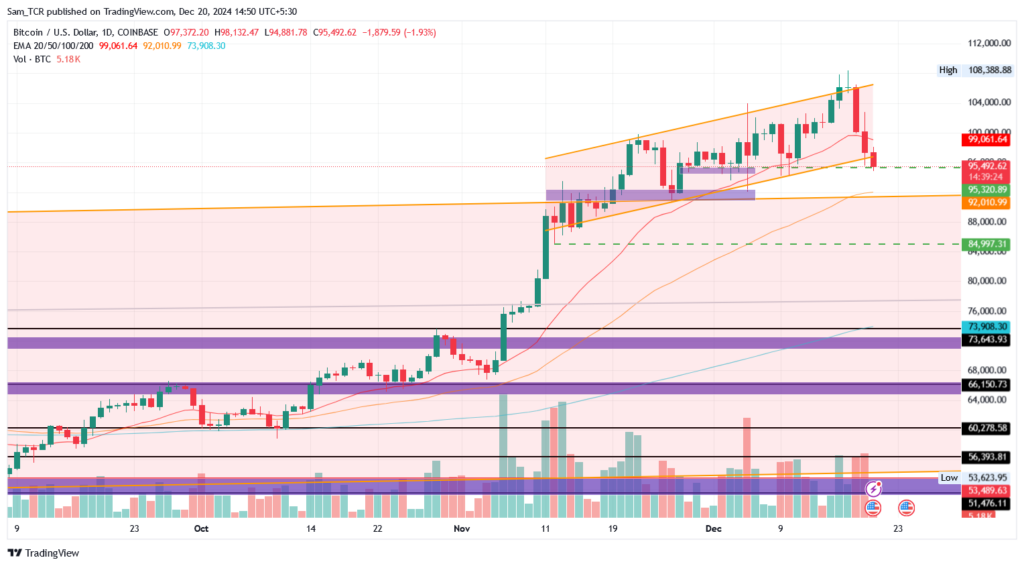
News of the IMF agreement sparked pessimism in the crypto market. That led to a more than 10% drop in Bitcoin’s price from its all-time high of $108,000 to around $95,000 at the time of writing.
To control market panic, Bukele confirmed that El Salvador would continue its commitment to its long-term Bitcoin strategy.
Stacy Herbert, Director of El Salvador’s National Bitcoin Office, emphasized via X that Bitcoin would remain legal tender in the country. She reaffirmed the government’s dedication to expanding its Bitcoin reserves.
She reiterated that the country would continue integrating cryptocurrency into its financial, educational, and investment frameworks. In parallel, El Salvador is restructuring its digital wallet ecosystem.
The state-backed Chivo Wallet has faced limited adoption. Its adoption was evidenced by surveys showing that 92% of Salvadorans have not used Bitcoin despite its legal status.
So, it will be either sold or shut down. This move aims to create space for private Bitcoin wallet services to thrive. This could foster broader acceptance and use of cryptocurrency in the nation.
Why did a $1.4 Billion loan from the IMF Drop the selling pressure on Bitcoin?
Under its $1.4 Billion loan agreement with the IMF, El Salvador will now accept tax payments exclusively in U.S. dollars. New legal reforms have also shifted Bitcoin acceptance by private businesses from mandatory to voluntary.
This change aligns with the preferences of most residents in the country. However, it also represents a step back from the earlier push for widespread Bitcoin adoption.
Eugene Epstein is the head of trading and structured products for North America at Moneycorp. He observed that the IMF loan agreement had weakened Bitcoin’s status. It was a cornerstone of El Salvador’s financial policies.
This policy shift contributed to a decline in Bitcoin‘s price, as the nation’s actions were favorable or unfavorable. It has consistently influenced market sentiment since it adopted cryptocurrency.
President Nayib Bukele has actively promoted El Salvador as a global hub for cryptocurrency innovation. He even recently hosted the “Adopting Bitcoin” conference. The country also boasted “Bitcoin Beach,” a tourist hotspot where businesses have embraced Bitcoin as a payment method.
The Salvadoran government announced plans to accelerate its Bitcoin purchases in light of the market reaction. The govt intended to acquire one Bitcoin daily.
This initiative appears to be an effort to counteract negative sentiment and stabilize Bitcoin’s market perception. That reinforces the nation’s commitment to cryptocurrency despite evolving policies.
To Calm The Selling Storm In Bitcoin, El Salvador Bought 11 Times The Usual Buy Of Bitcoin
Following the announcement, the Bitcoin price sharply declined as investors reacted to “Fear of Losing Profit (FOLP).” To restore confidence, El Salvador took decisive action. That showcased even greater optimism about Bitcoin’s future and ramping up its acquisition strategy.
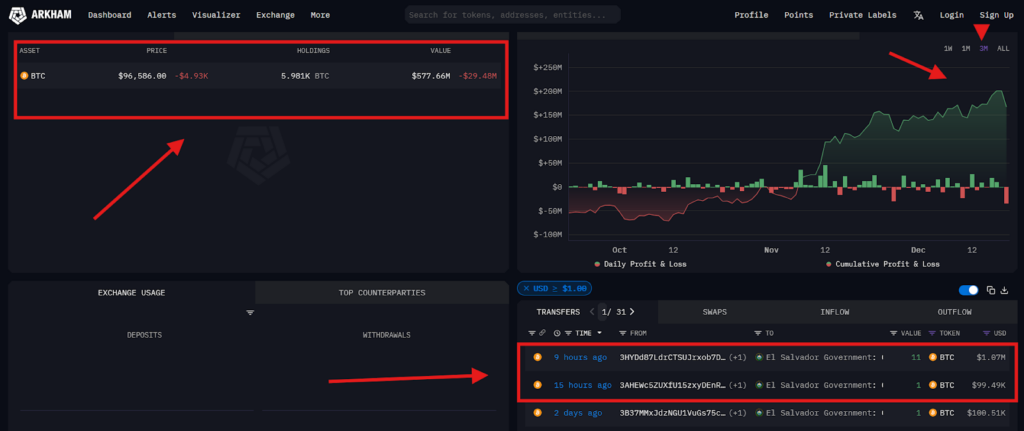
To prevent a domino effect among investors due to FOLP, on December 20, El Salvador added 11 Bitcoins to its Strategic Bitcoin Reserve. It also made regular purchases of 1 BTC.
This increased the country’s holdings to 5,981 BTC. Based on the current market price, it is valued at approximately $585.5 Million.
Despite varying opinions on the effectiveness of this approach, El Salvador remains unwavering in its commitment to Bitcoin. The government views its Bitcoin reserve strategy as a cornerstone for strengthening its position in the global cryptocurrency market.
The IMF deal requires scaling back some aspects of the Bitcoin law. On the other hand, this bold move reaffirms El Salvador’s stance as a steadfast “Vital HODLer of Bitcoin.” This is emphasizing its dedication to integrating cryptocurrency into its national strategy.
El Salvador Accelerates Bitcoin Education Efforts & Building Bitcoin Capital Markets
El Salvador is advancing its Bitcoin education efforts to encourage cryptocurrency integration into its economy. Among these initiatives is developing “Little HODLer” workbooks for 2nd and 3rd graders.
These workbooks aim to foster financial literacy and teach the fundamentals of Bitcoin from an early age.
For higher-level training, the CUBO+ program continues to produce skilled Bitcoin and Lightning Network developers. Due to this program, over 20 students are expected to graduate in January 2025.
These developers will play a crucial role in expanding the technical capabilities of the country’s Bitcoin ecosystem. Nationwide programs like Mi Primer Bitcoin (My First Bitcoin) and Node Nation are now part of high school curricula. This move will equip young Salvadorans with essential knowledge of Bitcoin and blockchain technology.
On a broader scale, the ESIAP program certifies 80,000 civil servants in Bitcoin proficiency. Doing so would embed cryptocurrency expertise into the country’s governance systems.
El Salvador’s Bitcoin strategy extends beyond education and reserves. It also focuses on creating Bitcoin-powered capital markets.
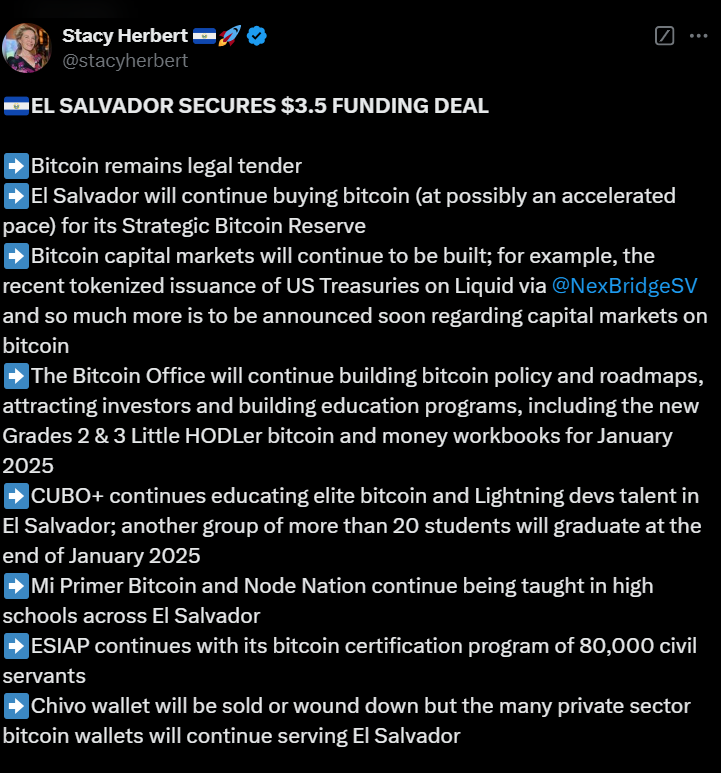
A notable development is the recent tokenized issuance of U.S. Treasury bonds on the Liquid Network via NexBridgeSV. Similarly, The National Bitcoin Office has hinted at upcoming capital market initiatives. That further highlighted Bitcoin’s potential as a tool for financial innovation.
Stacy Herbert confirmed the government’s active efforts to attract international investors and implement robust Bitcoin policies. These initiatives are part of a comprehensive roadmap to position El Salvador as a global leader in Bitcoin adoption and blockchain innovation.
El Salvador aims to build a secure and efficient financial system by leveraging Bitcoin. This system could benefit both domestic users and international stakeholders. It will reinforce its commitment to pioneering cryptocurrency-driven economic transformation.
Disclaimer
In this article, the views, and opinions stated by the author, or any people named are for informational purposes only, and they don’t establish the investment, financial, or any other advice. Trading or investing in cryptocurrency assets comes with a risk of financial loss.