Minter
 Quack AI
 NEAR Protocol
 Pearl
Pearl Sui
Sui Pons
Pons Quantus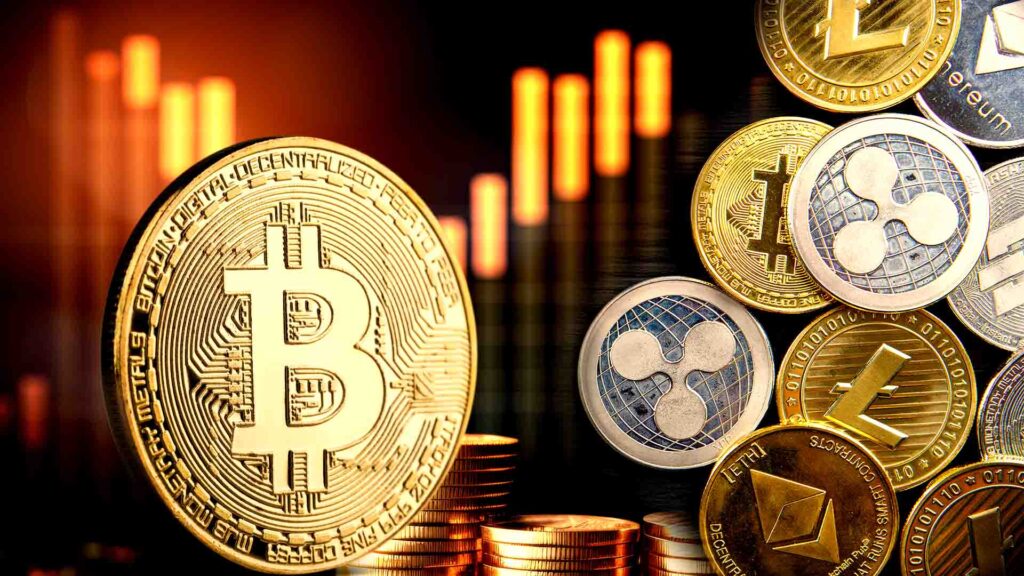
For decades, investing pretty much followed the same path: stocks for growth, bonds for stability. But things have changed a lot. Today’s investors are no longer content with traditional portfolios alone. Whether it’s due to market volatility, inflation concerns, or simply the desire for something different, more people are exploring alternative investments.
So, what exactly counts as an “alternative” investment? Why are so many individuals, institutions, and even pension funds shifting their focus?
What are Alternative Investments?
Alternative investments are anything outside of the usual public equities (stocks), fixed-income securities (bonds), and cash. So, this category includes:
- Private equity
- Hedge funds
- Real estate
- Commodities (like gold, oil, or coffee)
- Collectibles (art, wine, and classic cars)
- Cryptocurrencies
- Infrastructure
- Venture capital
- Forex trading
- Derivatives and structured products
Some of these have been around for years but were mostly reserved for high-net-worth individuals or institutions. That’s changing. Access is widening, and with platforms and tools now available on your phone, retail investors can also get in on the action.
Why the Shift?
There are a few key reasons alternative investments have gained momentum.
Diversification
Markets don’t always move in sync. Adding alternatives to a portfolio can reduce overall risk and smooth out returns, especially when traditional markets are struggling.
Higher return potential
Some alternatives, while riskier, come with the possibility of outsized gains. Think private equity, crypto, or early-stage venture capital.
Inflation hedge
Hard assets like real estate and commodities can hold their value when inflation rises, making them a popular hedge.
Access and innovation
You no longer need to be a hedge fund manager to invest in alternatives. Fintech innovation has broken down barriers, giving retail traders access to tools that used to be locked behind institutional walls.
Real Estate is Still a Favourite
It’s hard to talk about alternatives without mentioning real estate. From rental properties to REITs (Real Estate Investment Trusts), property remains a go-to asset for investors looking for stable income and capital growth.
That said, today’s real estate landscape is more diverse than ever. Some investors are branching into fractional ownership of commercial properties or backing development projects via crowdfunding platforms. Some are even buying land in the metaverse!
Commodities – Tangible, Tradable, Timeless
Commodities have stood the test of time. Gold, in particular, often sees a spike in demand during periods of uncertainty. Oil, agricultural goods, and metals also serve as effective inflation hedges and can offer diversification when markets go sideways.
What’s changed is how investors can access them. You don’t need to store physical barrels of oil or gold bars anymore. ETFs, futures contracts, and commodity-focused funds have opened the door for everyday investors.
Cryptocurrency and Digital Assets
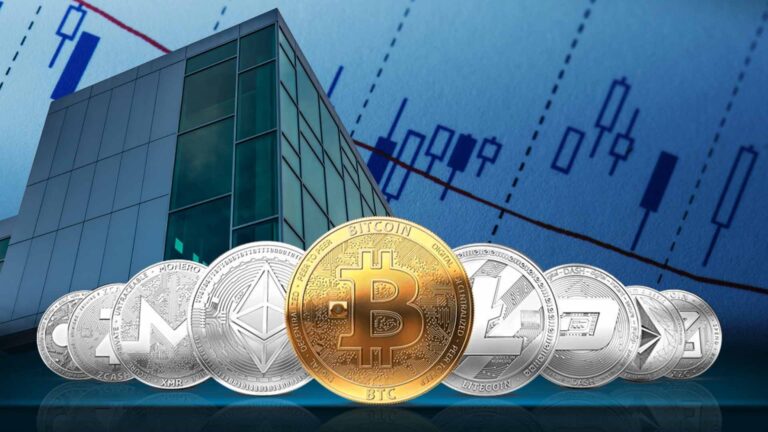
Cryptocurrency went from niche tech curiosity to a full-fledged asset class in just over a decade. While the market remains volatile, institutional adoption and regulatory developments are giving digital assets more legitimacy.
Bitcoin and Ethereum dominate the headlines, but the ecosystem is much broader. DeFi (decentralised finance), NFTs, and blockchain infrastructure projects are all being explored as serious investment opportunities.
Of course, this space is not without risk. Volatility is high, and the regulatory landscape is still forming. However, for investors comfortable with that level of uncertainty, crypto has become an increasingly common slice of diversified portfolios.
For the More Active Trader, Consider Forex and Derivatives
Unlike some alternative investments that lean passive, forex trading demands attention. The foreign exchange market is one of the largest and most liquid in the world, with trillions traded daily. It operates 24/5, making it attractive to traders looking for flexibility and speed.
Thanks to technology, retail access to forex has exploded. With a mobile forex trading platform like the one offered by Eurotrader, users can now trade currency pairs on the go, analysing charts and executing trades straight from their smartphones. This level of accessibility is opening forex to a much wider audience than ever before.
Private Equity and Venture Capital
For investors with a longer time horizon and a higher risk tolerance, private equity and venture capital offer access to high-growth potential.
These investments usually involve funding private companies before they go public (or instead of going public altogether). Returns can be significant, but so can the risks. These markets are illiquid, and it can take years to see returns.
That said, crowdfunding and digital platforms have begun to chip away at exclusivity. It gives retail investors a chance to participate in early-stage investing with smaller amounts.
What Does the Future Look Like?
Alternative investments aren’t “alternatives” anymore in the way they used to be. They’re fast becoming a main part of how people invest. Whether it’s driven by diversification goals, inflation concerns, or just the search for better returns, more investors are stepping outside the usual frameworks.
Technology is playing a massive role in this shift. What once required insider access or high capital is now available from a phone. At the same time, education around risk is improving. Investors today are more curious, more informed, and more in control.
As the lines between traditional and alternative continue to blur, one thing’s clear: a one-size-fits-all portfolio isn’t the norm anymore. And for those willing to learn and adapt, the world beyond stocks and bonds is full of opportunity.
FAQs
Are alternative investments suitable for beginners?
Some are, others aren’t. Real estate investment trusts (REITs) or ETFs that track commodities can be accessible entry points. Forex, venture capital, or crypto require more experience and risk tolerance.
What tools do I need to start trading alternatives?
That depends on the asset. For example, if you’re interested in trading forex or CFDs, you’ll want robust tools for charting and analysis. You can get started with a MetaTrader 4 download from Eurotrader, which offers a user-friendly interface and the depth needed to execute detailed trading strategies.
Can alternatives really reduce risk?
Yes, if used correctly. They tend to have different risk-return profiles than traditional assets, so they can help balance out a portfolio. However, they also come with their own risks, such as liquidity, volatility, or regulation.
How liquid are alternative investments?
It varies. Publicly traded REITs and ETFs are fairly liquid. Real estate, private equity, and venture capital are not. Forex and crypto are very liquid but volatile.
Disclaimer: Any information written in this press release or sponsored post does not constitute investment advice. Themarketperiodical and all its authors do not, and will not endorse any information on any company or individual on this page. Readers are encouraged to make their own research and make any actions based on their own findings and not from any content written in this press release or sponsored post. Themarketperiodical.com is and will not be responsible for any damage or loss caused directly or indirectly by the use of any content, product, or service mentioned in this press release or sponsored post.