Dacity Coin
 NEAR Protocol
 Quantus
 Bitcoin
 Celestia
 Pearl
Pearl Pudgy Penguins
Key Insights:
- Whales added 871K ETH on June 12, the highest daily inflow this year.
- ETH in 1k–10k wallets exceeds 14.3M, last seen in 2017 accumulation levels.
- Monthly Ethereum transactions hit all-time high at 24.69 million.
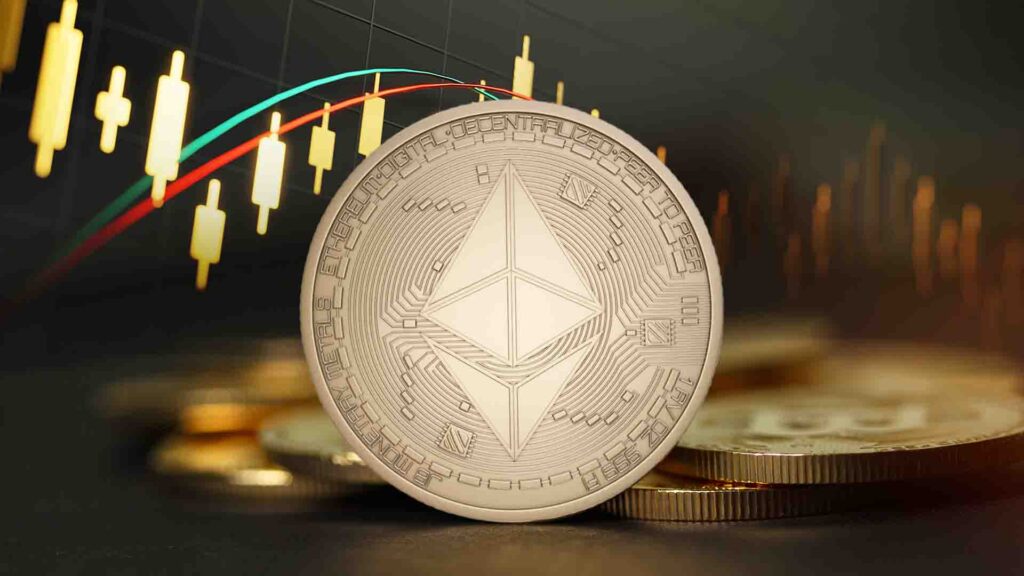
Ethereum is experiencing a supply crunch as whale accumulation and fee burns are on the rise. Even after a recent decline in price, on-chain activity is at an all-time high, and deflationary pressure is building, with whale wallets indicating long-term faith in the value of ETH.
Whales Add Over 800,000 Ethereum Daily Amid Market Decline
Ethereum whale wallets with a balance of 1,000-10,000 ETH have accumulated more than 871,000 ETH within a day. This group now has a total of over 14.3 million ETH which is the highest in history.
This purchasing frenzy has been going on for over a week, even when ETH has lost 10% to trade at 2497 at press time.
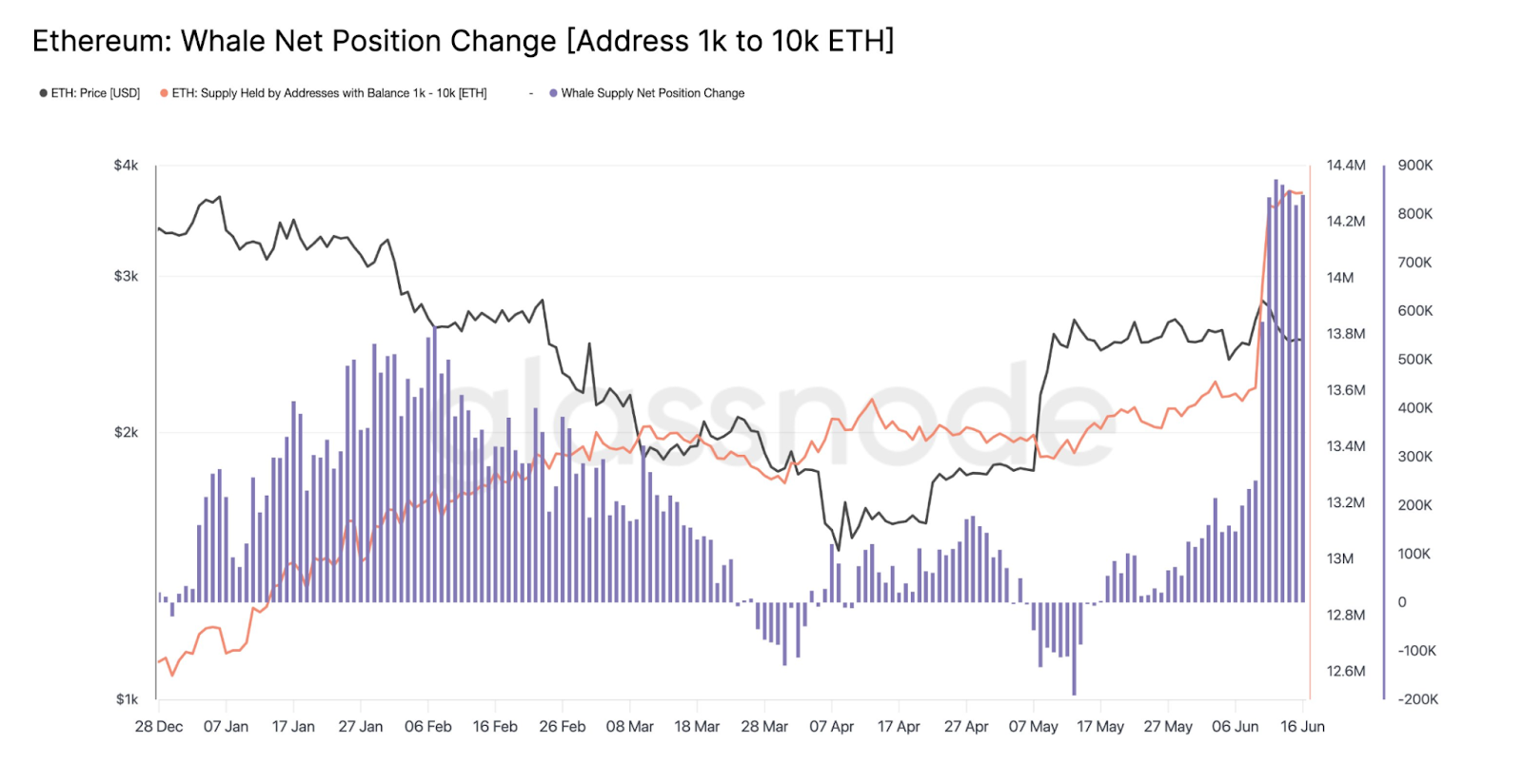
This whale accumulation is the biggest growth in net inflows since 2017. The move comes as global markets respond to escalating tensions between Israel and Iran.
The net position change is also firmly in the positive, and Glassnode is indicating steady inflows since the start of June. This category of investors is gearing towards long-term upside.
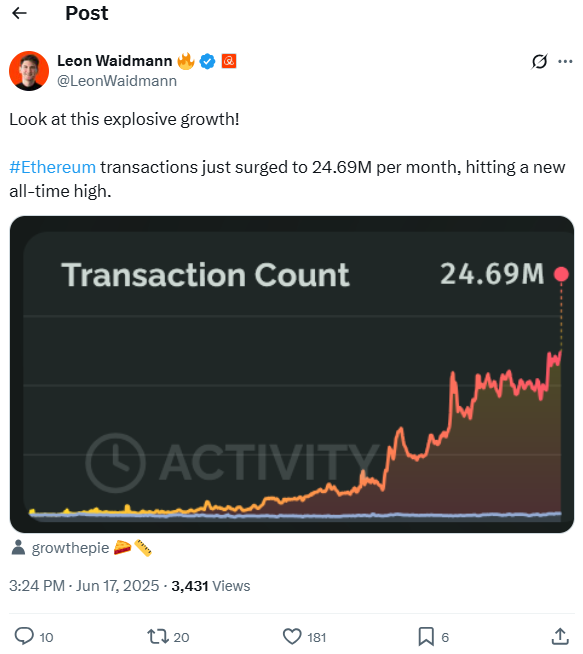
Additionally, the network of Ethereum is more active than ever before as the number of transactions per month climbed to a new high of 24.69 million. This shows a steep increase in user activity in the DeFi, NFT, and other on-chain markets. The record volume has a direct impact on increased fee burns.
Increased activity also increases the deflationary dynamics of Ethereum through EIP-1559, which destroys a portion of each transaction fee. The greater the number of users who use the chain, the more ETH is permanently taken out of circulation. This makes supply tighter as time goes by.
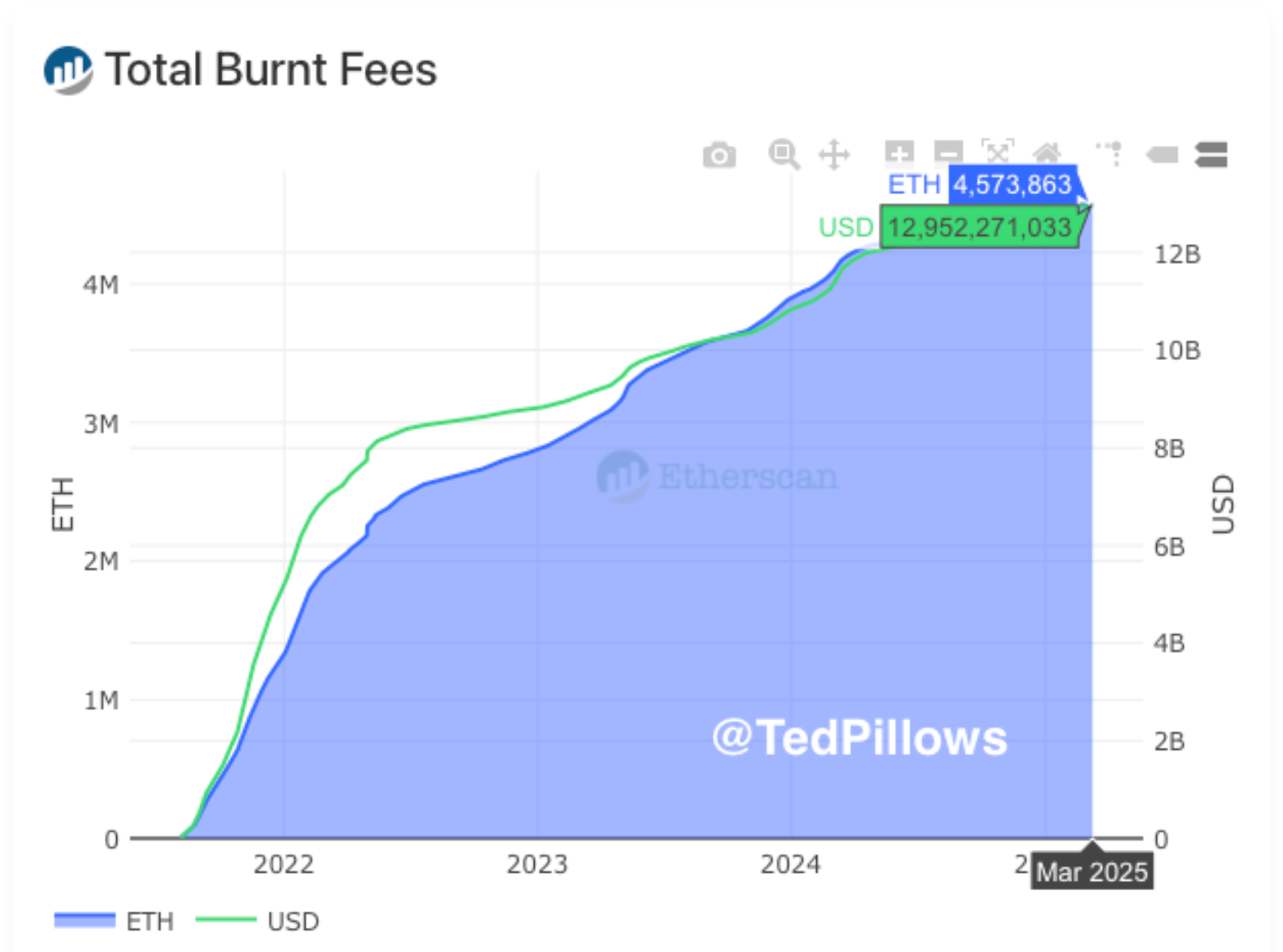
The latest fee burn statistics provided by Etherscan indicates that more than 4.57 million ETH (almost 13 billion dollars) has been burned. This is a significant step towards the long-term monetary policy change of Ethereum. The increasing burn rate strengthens scarcity and promotes bullish supply.
RSI and Market Sentiment Indicate Undervalued Conditions
According to the Relative Strength Index (RSI) data, the majority of the major altcoins are in oversold areas.
The short-term RSI of Ethereum is also low, indicating that it might be underpriced at the current price. This is unlike small-cap tokens, which are overbought in most cases.
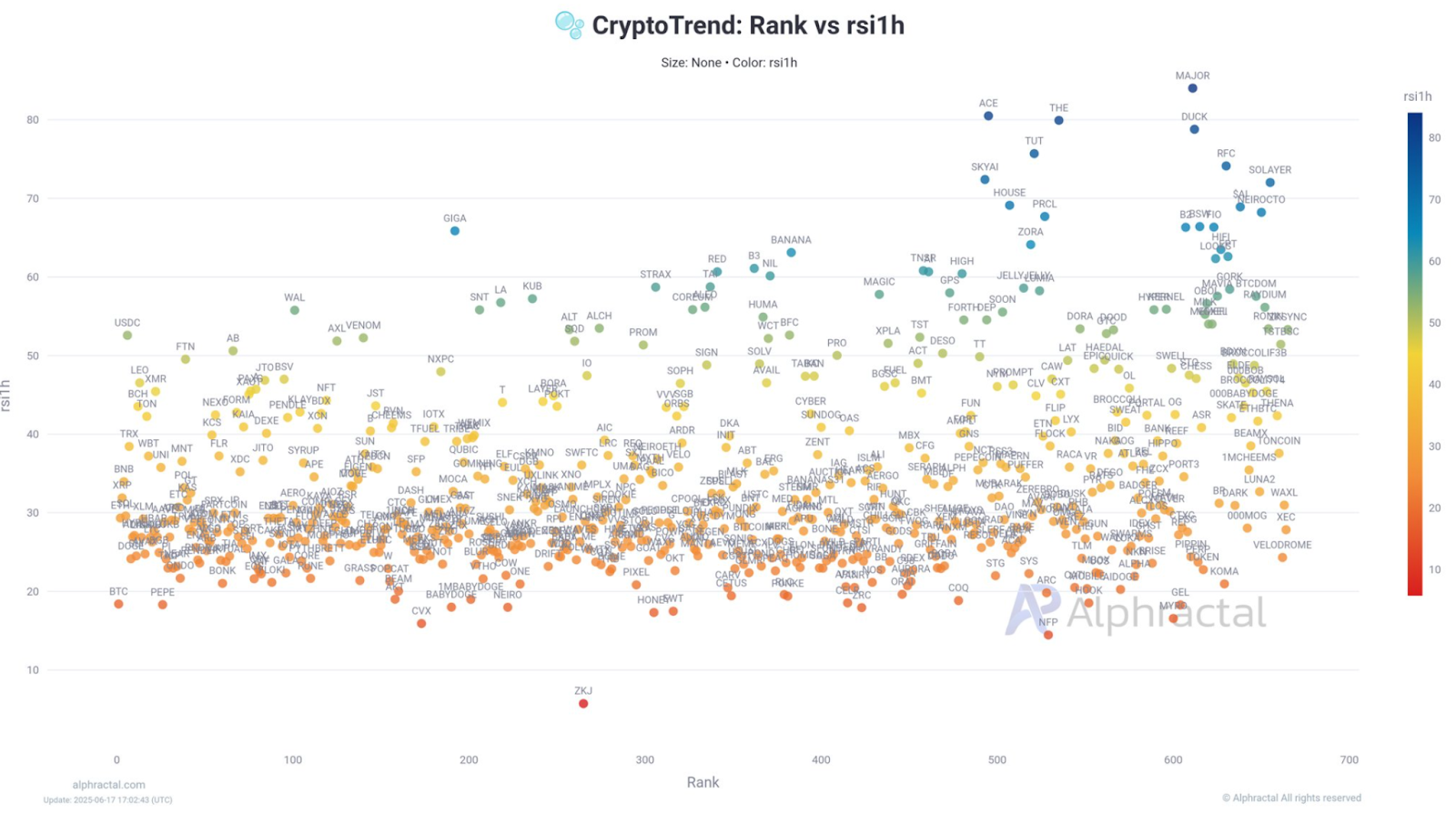
The mood of investors seems to be conservative yet exploitive. Although retail is still uncertain because of the volatility in the market, the whales are still buying ETH.
In the meantime, technical indicators put Ethereum close to $2,450 critical support. A good hold at this level may create an opening to recovery. Nevertheless, the wider geopolitical issues are still a significant short-term movement variable.
Geopolitical Tensions Weigh on Broader Market
The Ethereum sell-off was triggered by the increased tension in the Middle East after Israel and Iran engaged in a conflict once again. Bitcoin fell by 1% to $104,172 as almost 200 billion was withdrawn in the crypto market. The volatility was also experienced in the traditional markets where oil prices went high.
U.S. political leadership comments added to the speculation of a potential military intervention. The probability of a U.S. attack on Iran prior to August rose to 70% on Polymarket.
In spite of the retreat, there have been no huge outflows by big holders of Ethereum. This implies that the whales are taking the situation as a buying opportunity.
Regulatory Landscape May Add More Volatility
Furthermore, the GENIUS Act has been passed by the U.S. Senate, and is currently in the House awaiting debate. The bill aims to govern stablecoins and implement stringent reserve policies. Its result might have a tremendous effect on crypto liquidity and DeFi ecosystems.
In the case of Ethereum, stricter regulations can change the demand of on-chain assets and services. At the same time, explicit regulations can generate greater interest of institutions in the long run.
The future of Ethereum could rely on the combination of these regulatory changes with adoption patterns. In the meantime, the technical roadmap of Ethereum is still concentrated on scaling and decentralization.
Disclaimer
This article is for informational purposes only and provides no financial, investment, or other advice. The author or any people mentioned in this article are not responsible for any financial loss that may occur from investing in or trading. Please do your research before making any financial decisions.