Doge Pepe
 Bitway
 Optimism
 Pearl
Pearl Pons
Pons Quantus
 Starknet
Key Insights:
- Thailand’s SEC and central bank will allow tourists to convert crypto to local currency via licensed operators.
- The crypto sandbox will run for 18 months and restrict spending to regulated e-money platforms only.
- Tourism stakeholders have raised concerns over money laundering and a lack of clarity on eligible cryptocurrencies.
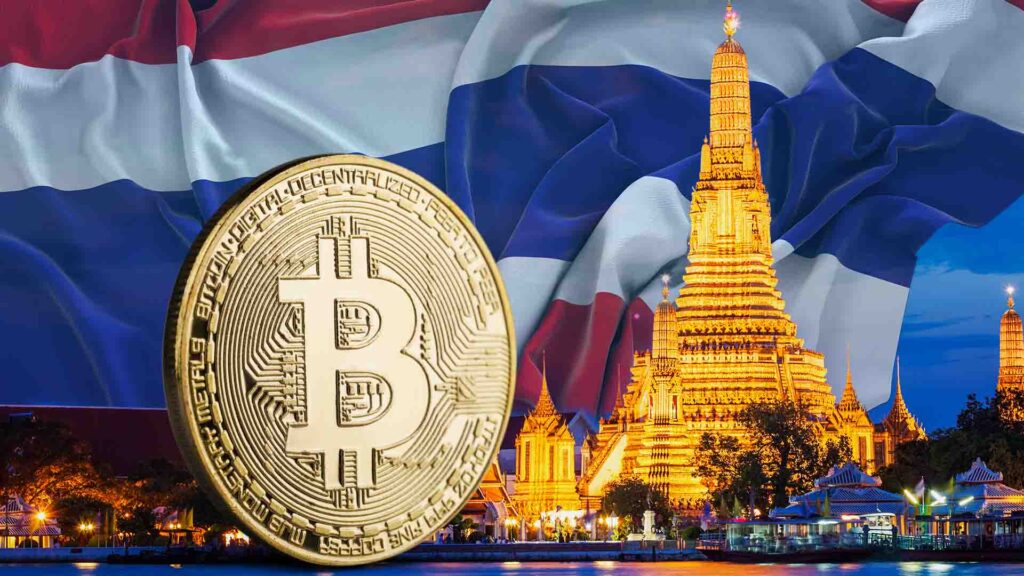
Thailand has introduced a nationwide crypto sandbox aimed at enabling foreign tourists to convert digital assets such as Bitcoin into Thai baht for local spending. In collaboration with the Bank of Thailand, the Securities and Exchange Commission (SEC) has launched a public hearing on this new regulatory initiative.
The initiative is designed to enhance crypto utilization in the tourism sector. More so, the sandbox will allow licensed digital asset operators to facilitate crypto-to-baht conversions, while e-money platforms will support everyday transactions during a tourist’s stay.
Thailand Crypto Sandbox Allows Travelers to Use Digital Assets Like Cash
Reportedly, Thailand’s SEC and the central bank will allow tourists to convert crypto to local currency via licensed exchanges, brokers, and dealers. Tourists will use baht through regulated e-money services to make payments at local establishments.
These services will be available for a trial period of 18 months under the sandbox framework, with the possibility of an extension.
Notably, the converted funds must be used within digital wallets provided by e-money providers regulated by the central bank. However, direct use of digital assets for payment remains prohibited.
This measure will ensure better oversight and align with financial system stability policies. Tourists may spend baht via QR code payments, commonly used across Thailand’s retail network.
Additionally, SEC confirmed that the sandbox is limited to foreign tourists visiting or temporarily residing in Thailand. All participants must meet specific licensing requirements and gain approval from the SEC to operate under the sandbox.
Tourism Leaders Warn of Unresolved Ecosystem Gaps
The stakeholders in the tourism sector have raised concerns over the preparedness of the supporting ecosystem. Bhummikitti Ruktaengam, the vice president of the Tourism Council of Thailand (TCT), stated that the local operators, especially in the area of Phuket, do not know that the public consultation is taking place.
He emphasized,
“We’re not opposed to this scheme, but the government should assure that it has prepared the entire ecosystem for cryptocurrency use before starting this programme. We would like the regulators to clarify the rules, allowing people to understand the same principles for this programme.”
Operators have also flagged the risk of misusing crypto exchanges for illicit purposes, especially given past reports of illegal foreign businesses. The TCT believes that the sandbox could face practical challenges during rollout unless clear anti-money laundering measures are established.
There are also calls for clarity on the scope of cryptocurrencies supported within the sandbox. Tourism providers seek assurance that accepted coins will be listed, and that tourists will have clear crypto regulations when converting digital assets into baht.
Sandbox Builds on Phuket Concept and Expands Nationwide
The newly proposed sandbox builds on a previous pilot concept introduced under former Prime Minister Thaksin Shinawatra. The earlier Phuket sandbox was designed as a regional initiative allowing crypto payments in tourist zones. However, the new proposal has expanded the idea into a formal nationwide regulatory program.
According to Nirun Fuwattananukul, CEO of Gulf Binance and a founding member of Binance TH, the major shift is in the implementation. While the original concept was regionally limited and conceptual, the current sandbox has backing from Thailand’s top regulatory agencies.
The program included a test phase for licensed digital asset platforms to support conversions from crypto to baht. Approved operators will have up to 18 months to run their services under supervision from the SEC, Bank of Thailand, and the Anti-Money Laundering Office.
Crypto Adoption for Tourism Grows Beyond Thailand
Thailand’s adoption of digital assets followed a trend by other nations looking into digital asset payments. Bhutan has recently entered into a collaboration with Binance Pay and DK Bank to accept cryptocurrency payments in the state. This entailed allowing the tourists to utilize digital assets in flights, hotels, tours, and retail purchasing.
Binance Pay has collaborated with Lyzi in Europe to allow crypto payments across the French Riviera. Over 80 merchants now accept stablecoins and other cryptocurrencies across cities like Cannes, Nice, and Monaco. These examples indicate a growing trend of integrating crypto solutions into tourism economies.
As crypto adoption continues to rise, Pro-Ripple attorney John E. Deaton suggested PayPal and Binance as companies that could likely acquire XRP-centered platform Uphold. This speculation comes after Uphold launched USDC on XRP ledger, as part of a wider trend in regulatory and institutional involvement to offer stablecoin infrastructure.
Disclaimer
This article is for informational purposes only and provides no financial, investment, or other advice. The author or any people mentioned in this article are not responsible for any financial loss that may occur from investing in or trading. Please do your research before making any financial decisions.