
 Dacity Coin
 Zcash
Zcash Sui
Sui Injective
 Quantus
 Pearl
Pearl NEAR Protocol

Bitcoin price showed early signs of sentiment recovery even as markets stayed defensive. The Fear and Greed Index’s 30-day average crossed above its 90-day measure this week. That shift appeared while Bitcoin still traded below recent highs and derivatives data weakened.
The signal mattered because sentiment historically turned before price. Analysts tracking behavioral indicators said optimism remained muted, not euphoric. Bitcoin price hovered near $92,000–$93,000 as traders reduced leverage and risk exposure.
Bitcoin Price Reacts to Risk-Off Shock
Bitcoin price fell 3.4% over the weekend, dropping toward $92,000. The move followed rising global political tension and weaker Chinese growth data. China’s economy expanded 4.5% year-on-year in the last quarter of 2025, down from 4.8% previously, the Associated Press reported.
The decline triggered forced liquidations. About $215 million in leveraged Bitcoin futures longs were wiped out during the retest, according to derivatives data. That liquidation wave added selling pressure and reinforced short-term caution.
Despite the volatility, Bitcoin price rebounded above $93,000 within hours. The bounce, however, failed to reverse broader risk aversion across markets. Investors favored cash and metals as U.S. markets closed for a national holiday.
Fear and Greed Index Signals Early Shift
Market commentator CryptosRus said sentiment changed before price action. He noted the Fear and Greed Index remained near 30, a level associated with skepticism rather than euphoria. “Sentiment turns first, then price usually follows weeks later,” he said.
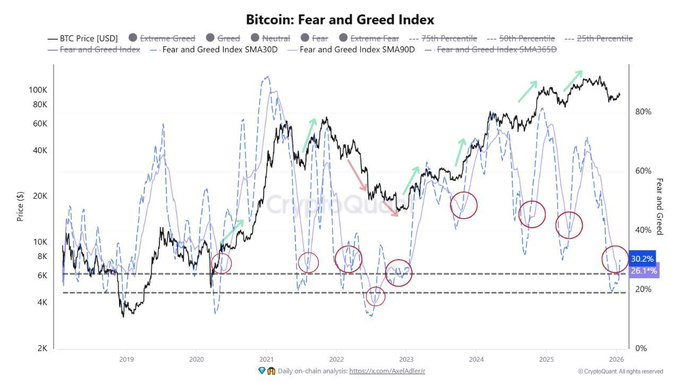
The 30-day average crossing above the 90-day measure suggested easing fear. That pattern historically appeared during consolidation phases, not peaks. Traders remained uncomfortable, which analysts often described as a setup phase rather than distribution.
Bitcoin price behavior supported that view. Price action stayed choppy, lacking follow-through after rebounds. The market showed no signs of broad speculative excess.
Derivatives Data Reflects Caution
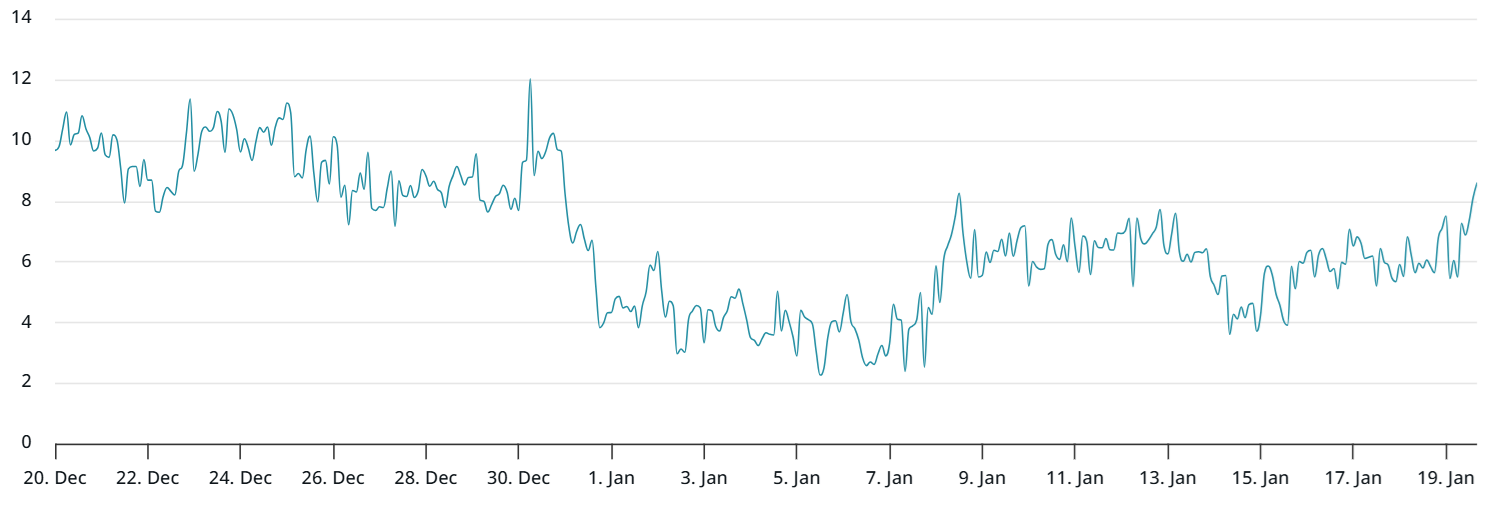
Bitcoin derivatives metrics pointed to fading bullish conviction. The annualized futures basis rate hovered near 5%, a neutral-to-bearish zone. Laevitas.ch data showed no surge in leveraged demand after Bitcoin failed to reclaim $98,000 earlier.
Options markets echoed that caution. The 30-day delta skew at Deribit jumped to 8%, outside the typical -6% to +6% neutral range. That shift indicated higher demand for downside protection as puts traded at a premium.
Professional traders demanded higher compensation to hedge risk. The pricing suggested whales reduced confidence in an immediate breakout toward $100,000.
Bitcoin ETFs and Macro Pressure
Spot Bitcoin exchange-traded funds added to the pressure. ETFs recorded $395 million in net outflows on Friday, according to flow data. The withdrawals reflected declining hedge appeal as gold and silver reached record highs.
Gold prices surged above $4,650 for the first time amid heightened global uncertainty. The Euronext 100 Index dropped 1.6% as European equities weakened. Bitcoin price, in contrast, continued trading as a risk-on asset.
Macroeconomic headlines dominated sentiment. Nasdaq futures slid after U.S. President Donald Trump proposed new tariffs targeting eight European countries. Yahoo Finance reported European officials discussed retaliatory measures on U.S. imports.
Network Activity Raises Structural Questions
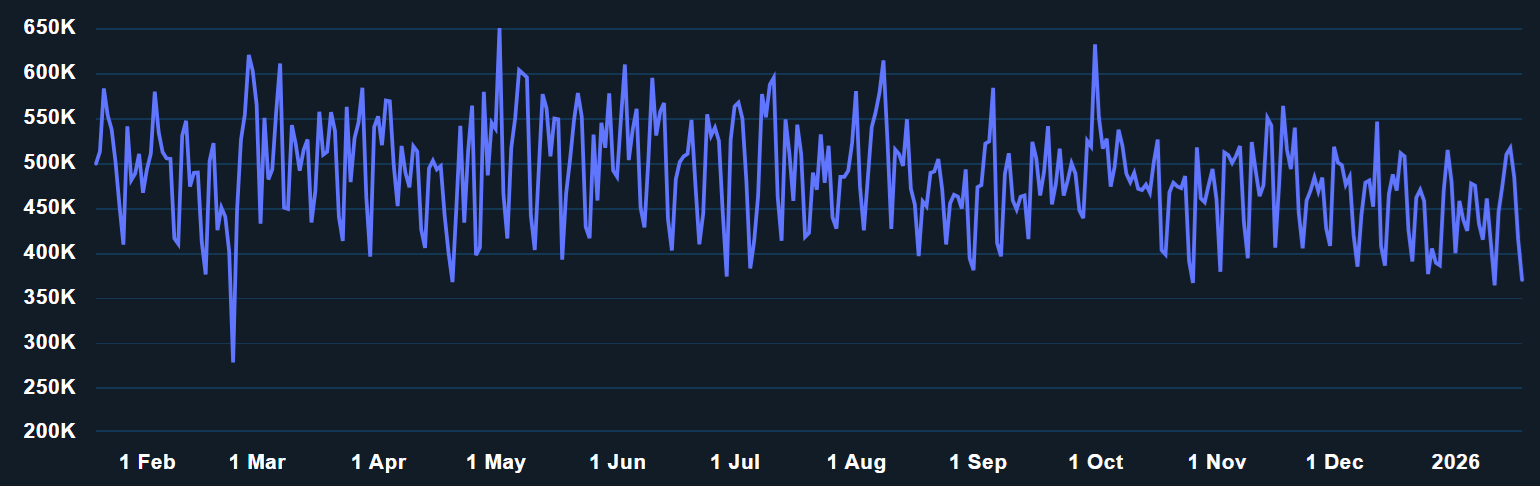
On-chain data showed weakening network demand. Daily active Bitcoin addresses fell to 370,800, according to Nansen. That figure marked a 13% drop over two weeks.
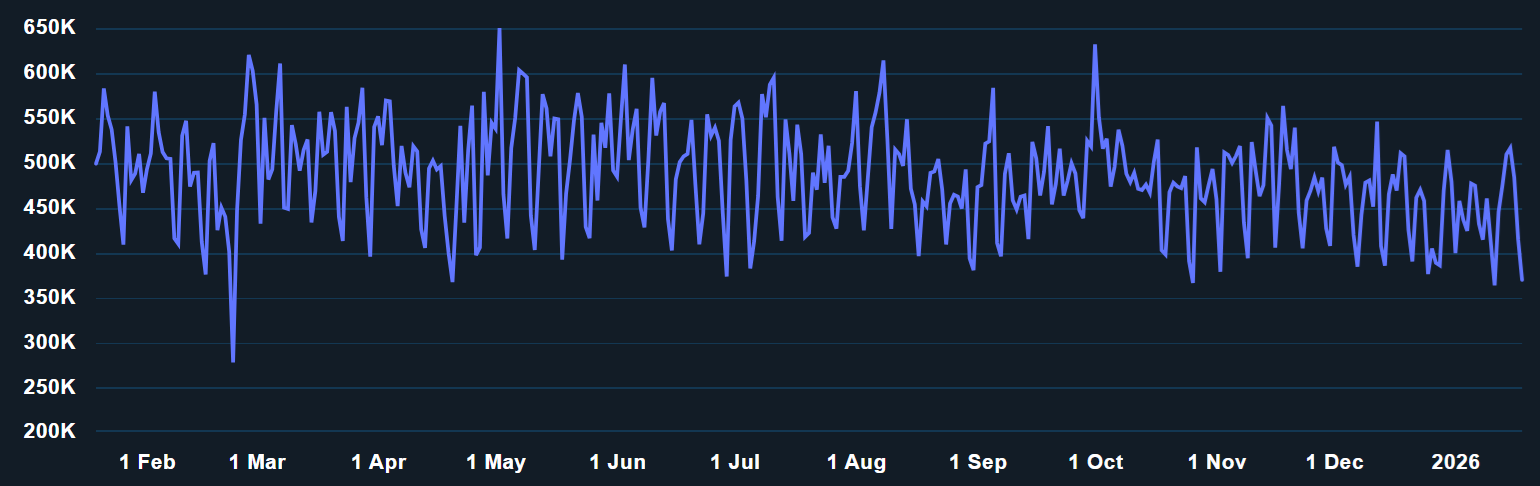
Lower activity raised concerns for miners and long-term demand. Bitcoin miner revenue depended on the fixed 3.125 BTC block reward and transaction fees. Reduced usage limited fee growth during price consolidation.
Analysts viewed the decline as another sign of market hesitation. Healthy on-chain activity often supported sustained rallies. Current levels suggested users remained cautious rather than aggressively accumulating.
Global Capital Flows Shape Outlook
Macro risks extended beyond crypto markets. Deutsche Bank FX research head George Saravelos warned about shifting global capital dynamics. He said European countries held about $8 trillion in U.S. bonds and equities, nearly double the rest of the world combined.
Saravelos warned Europe might become less willing to support U.S. assets if geopolitical alliances weakened. That scenario could pressure global liquidity and risk assets, including Bitcoin.
China’s slowdown added another layer of uncertainty. Analysts warned stimulus policies introduced in 2025 could scale back. A prolonged trade conflict risked weighing on exports and global growth.
What Traders Watch Next
Bitcoin price now faced a delicate balance. The $92,000 level remained a critical support zone after recent liquidations. A sustained break below could deepen risk-off momentum.
At the same time, sentiment indicators hinted at early stabilization. Fear eased before price, not after, suggesting downside momentum slowed. Traders monitored derivatives premiums, ETF flows, and on-chain activity for confirmation.
For now, Bitcoin price reflected caution rather than conviction. Markets waited for macro clarity before committing to the next directional move.