
 Pearl
Pearl Ondo
Ondo Ethereum
 Bitway
 Derive
 Pudgy Penguins
 NEAR Protocol
The US Treasury Department Office of Foreign Assets Control (OFAC) has designated two Iran-linked crypto exchanges for enabling the country to bypass sanctions. It identified the platforms as Shelbit and Aban Tether.
According to the report, the two exchanges facilitated the movement of millions of dollars in illicit finance for Iran’s Islamic Revolution Guard Corps (IRGC). The sanction represents an escalation of the US crackdown on the Iranian crypto network.
Iran Crypto Exchanges Enabling Country to Evade Sanctions
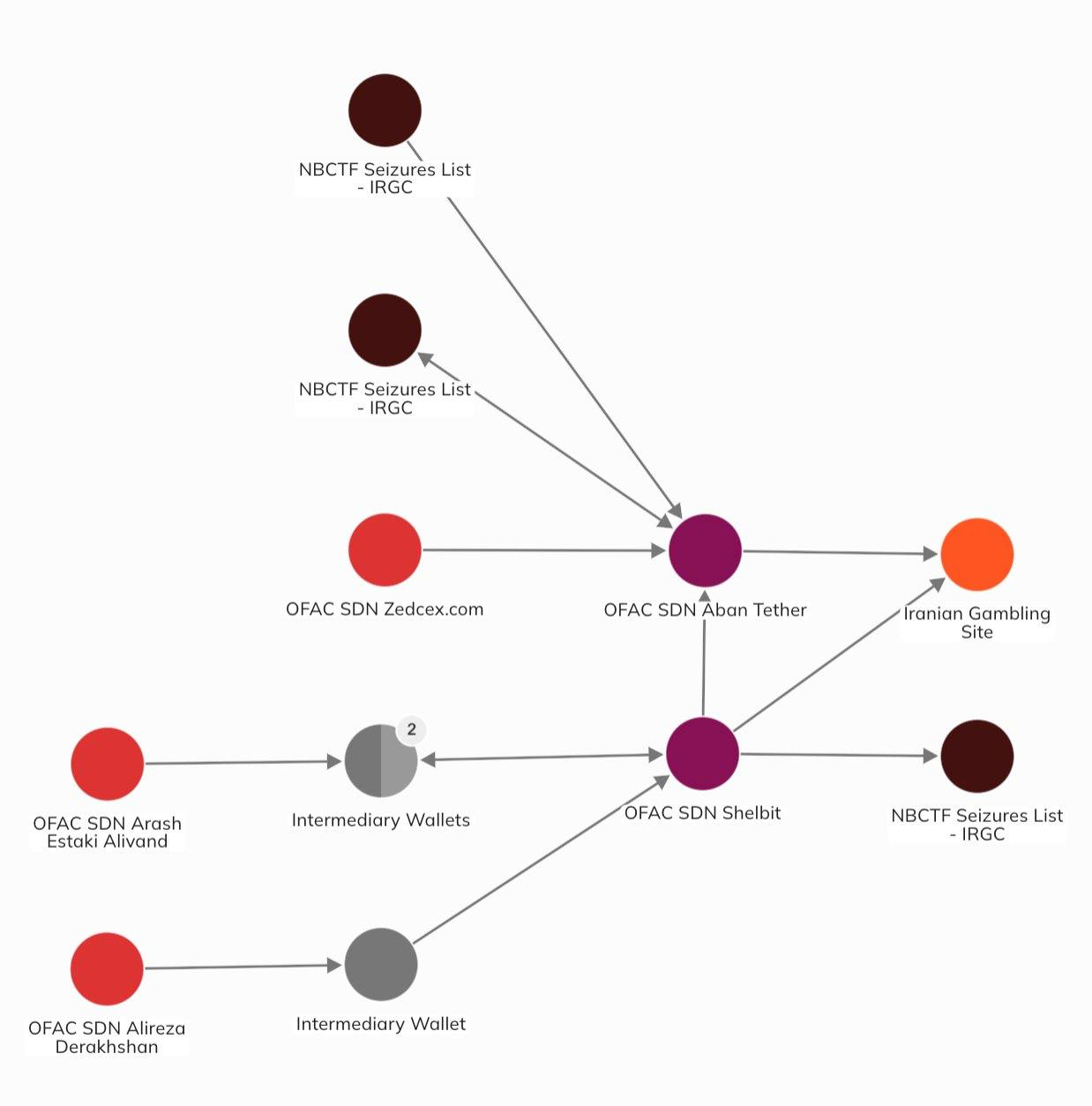
Shelbit, a Dubai-based exchange, reportedly served as a crypto-based money-laundering hub for the Iranian regime. The platform, which is owned by Iran-born Siavash Kayvanpour, received over $1 million from wallets linked to the IRGC and sent $2 million to the wallets.
It also sent money to Nobitex, Iran’s largest crypto exchange, which has already been sanctioned by OFAC. According to an earlier Reuters report, Shelbit is a hub for a $4 billion sanctions-evasion scheme by Iran and has processed over $125 million from Iran’s central bank and $20 million from Iranian crypto-mining activities since 2024.
Unsurprisingly, the founder, Kayvanpour, has also been sanctioned. The Reuters report had noted that the Shelbit website had been inactive and inaccessible to users for months, but it continued to process transactions.
Interestingly, Aban Tether, which is based in Iran, also has similar links to IRGC wallets and other sanctioned Iranian crypto platforms. The exchange has processed millions in transactions with Nobitex, Ramzinex, Wallex, and Bitpin, all of which are sanctioned exchanges.
The two newly designated crypto platforms also have connections to Iranian gambling networks. Shelbit reportedly laundered tens of millions for a gambling network that uses the Central Bank of Iran-regulated payments and returned the money to the IRGC.
US Increases Pressure on Iranian Crypto Industry as War Enters Sixth Month
Meanwhile, the latest sanctions are part of the US Economic Fury plan against Iran, which has targeted the country’s financial ecosystem to impose maximum economic pressure.
So far, OFAC has sanctioned over half a dozen crypto platforms linked to Iran and frozen hundreds of millions in stablecoins linked to the country.
Beyond crypto firms, it also designated Iranian bank Shahr Bank and two Dubai-based exchange houses, Titan Exchange and Alps International. OFAC claimed that it helped retrieve revenue for Iranian oil exporters.
According to Treasury Secretary Scott Bessent, Iran’s increasing reliance on shadow banking networks and digital assets is proof that the US plan is working.
“We will continue to increase the economic pressure. Whether in dollars, rials, or crypto, Treasury will hunt down and dismantle the illicit financial networks that keep the regime afloat,” he said.
While the economic sanctions continue to escalate, the US and Iran are currently in negotiations that could resolve the six-month war. US officials have hinted at progress towards a deal, but Iran has insisted on the US agreeing to all its terms before it can reopen the Strait of Hormuz.
Meanwhile, Iran-backed Houthi rebels continue to fire missiles and drones at Saudi ships passing through the Bab el-Mandeb Strait. It has also escalated attacks on Yemen government forces backed by Saudi Arabia.