Doge Pepe
 Bitway
 Optimism
 Pearl
Pearl Pons
Pons Quantus
 Starknet
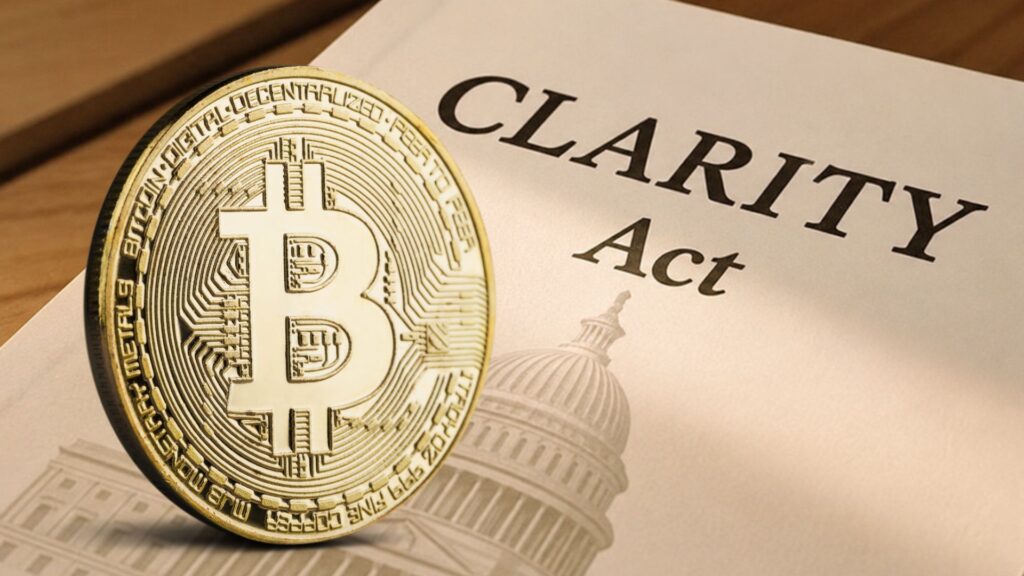
U.S. law enforcement organizations warned federal officials that Section 604 of the CLARITY Act could weaken crypto crime investigations. The provision, known as the Blockchain Regulatory Certainty Act, aimed to protect non-custodial software developers from money transmitter rules.
The dispute added pressure to Washington’s digital asset debate. Police groups argued that the bill’s wording could shield actors beyond passive software developers.
CLARITY Act News: Police Warn on Section 604
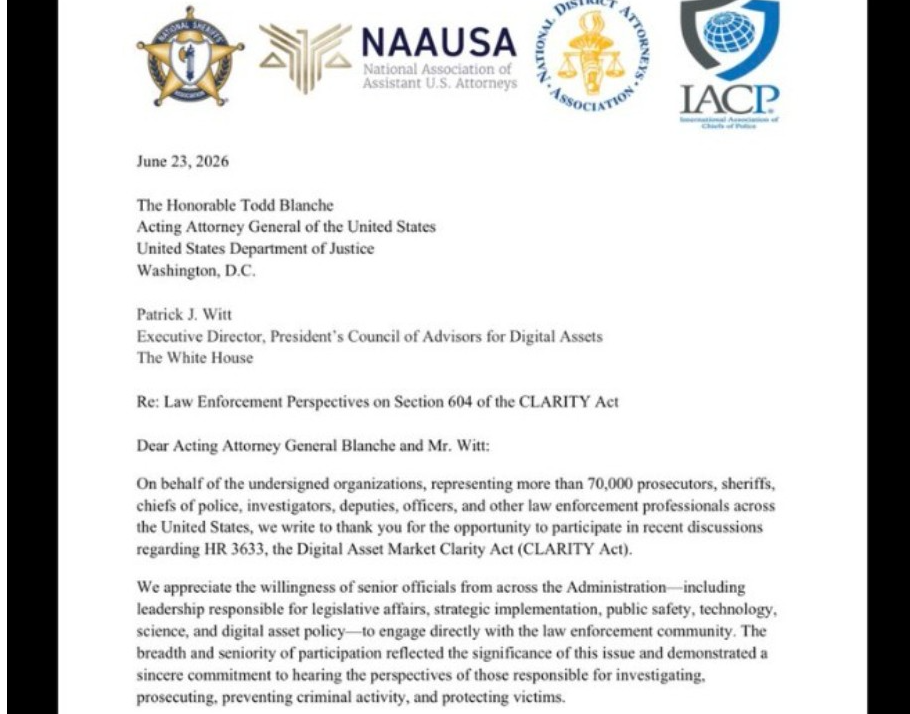
Four U.S. law enforcement organizations sent a joint letter to the Department of Justice and the White House. The groups warned that Section 604 could reduce oversight over people or entities involved in moving digital assets.
The letter came from the National District Attorneys Association, the National Association of Assistant United States Attorneys, the International Association of Chiefs of Police, and the National Sheriffs’ Association. These groups said they do not oppose software development or responsible digital asset innovation.
Their concern centers on broad language in the bill. They said certain exemptions may protect actors who help move crypto assets, create barriers for oversight, or weaken tools that investigators use in financial crime cases.
The groups also said other parts of the CLARITY Act could reduce transparency in anti-money laundering enforcement. They warned that weaker reporting duties may limit the ability of agencies to trace funds linked to fraud, trafficking, sanctions evasion, and other crimes.
Why Section 604 Faces Scrutiny
Section 604 would give a safe harbor to non-custodial developers. Supporters say the provision clarifies that people who build or publish blockchain software do not automatically operate as money transmitters.
Law enforcement groups say the issue rests in the scope of the carveout. They argue that the text may shield more than passive software activity if courts or agencies read the language broadly.
The concern does not focus on developers who only write code. The groups drew a line between software publishing and services that help users move digital assets without proper checks.
Police groups say crypto investigations often depend on records, accountable service providers, and clear legal duties. They argue that exemptions with unclear limits may make it harder to identify responsible parties during a case.
Crime Probe Concerns Reach the White House
The letter asked federal officials to review Section 604 before the bill moves further through the policy process. The groups said agencies need strong authority to investigate crypto activity that crosses platforms, wallets, and borders.
They argued that criminals can use digital assets to move funds quickly. Investigators often need records from intermediaries and clear rules for entities that support transfers.
Catholic leaders also raised concerns this week. Nearly 100 leaders from congregations across the country warned that the same provision could weaken safeguards used to combat human trafficking.
That criticism placed Section 604 under wider public attention. The debate now includes both law enforcement concerns and faith-based groups focused on trafficking prevention and victim protection.
White House Adviser Defends the Bill
Patrick Witt, the White House’s top cryptocurrency adviser, has defended the CLARITY Act as a pro-regulatory and pro-enforcement bill. He said the United States needs to set standards as money moves faster across global systems.
Witt’s comments show the administration’s view that crypto legislation can support enforcement while creating clearer rules for digital asset markets. Backers of the bill say legal clarity can help responsible companies follow rules and reduce uncertainty.
However, police groups want lawmakers to narrow the language around Section 604. They say the bill should protect true non-custodial developers without weakening long-standing investigative authority. The dispute leaves Section 604 at the center of the CLARITY Act debate.