 streamoors
 IGNITION
 Injective
 Pearl
Pearl NEAR Protocol
 Quantus
 Aerodrome Finance
Key Insights:
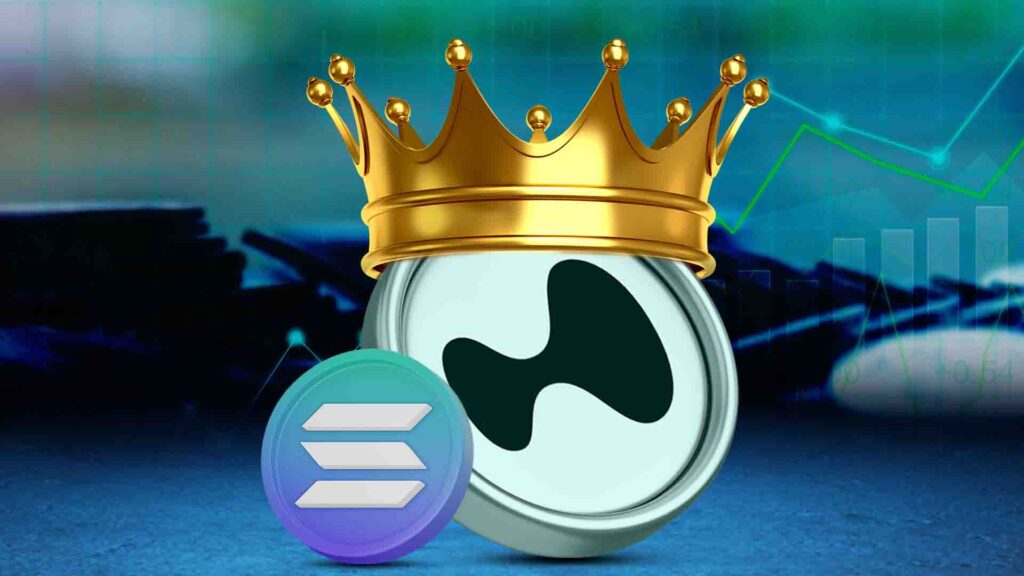
- Hyperliquid overtakes Solana as on-chain trading leader according to VanEck analysis
- SOL underperforms major cryptocurrencies, declining 8% while BTC gains 26% year-to-date
- Firedancer development delays and reliability issues hamper Solana’s competitive position
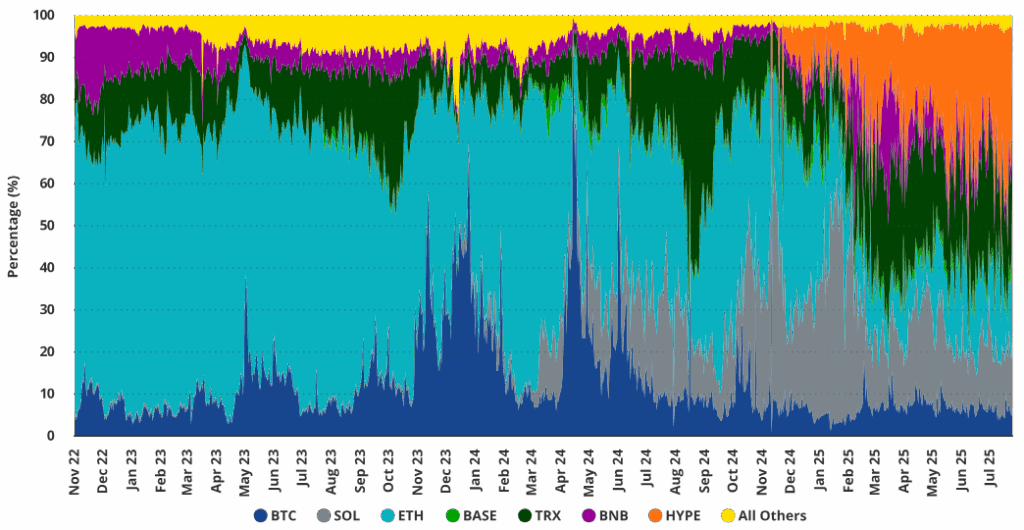
VanEck reports Hyperliquid has overtaken Solana as the on-chain trading leader. During meme coin speculation, SOL peaked at $262.50 all-time high in January 2025.
Solana produced more transaction fee revenue than next four blockchains combined. SOL underperformed major cryptocurrencies, declining 8% while BTC gained 26% this year.
Solana Loses Market Dominance to Hyperliquid
Solana reached a new all-time high in January 2025. This happened during the meme coin trading boom. The blockchain was considered the epicenter of on-chain trading, generating massive revenue.
Despite being a low-cost blockchain, Solana produced more transaction fees than competitors.
Including MEV or maximal extracted value, Solana likely generated 4x total revenue. The platform outperformed all other chains combined in fee generation. This helped SOL SOL lead as the go-to blockchain for trading.
SOL price has declined 8% year-to-date while major cryptocurrencies outperformed substantially.
Bitcoin increased by 26%, Ethereum by 13%, and XRP by 48%. Even Stellar Lumens experienced 23% growth, outpacing Solana by a huge margin.
Current figures show SOL 12% down in two weeks and 7% in one week. Glassnode shows real cap growth slowed down from 6.34% to 4.84% recently. Ethereum was constant, whereas Bitcoin slowed from 6.66% to 5.46%.
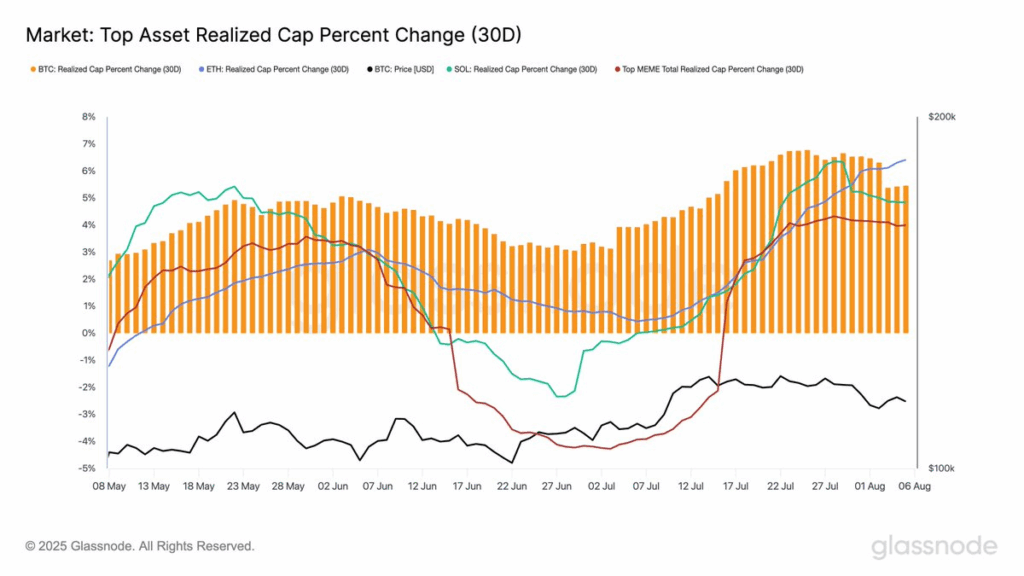
ETH showed momentum as its realized cap growth increased from 5.32% to 6.41%. Moderation of top memecoins shows tempering of risk appetite in markets.
Hyperliquid took the lion’s share of Solana’s growth and market capitalization with better products.
The platform poached high-value users from Solana and retained them successfully.
Hyperliquid Captures Solana Users Via Superior Perpetual Futures
Hyperliquid offers a simple, highly functional product attracting Solana’s high-value users.
VanEck says the platform has developed better trading capabilities for perpetual futures. Solana failed to deliver meaningful improvements, boosting user experience for derivatives.
The bull case for Solana centered on strong ecosystem of builders.
Developers could utilize Solana’s best-in-class transaction processing capabilities for trading applications. Trading was expected to continue thriving on the platform long-term.
Solana has not sufficiently improved its perpetual futures trading experience. Hyperliquid identified this gap and created superior derivatives trading tools.
The platform retained users who switched from Solana, seeking better functionality.
Solana’s key advantage over Ethereum lies in higher transaction bandwidth capacity. This advantage only matters if capturing activity driving current blockchain excitement.
Financial institutions plan blockchain deployment but hesitate to choose Solana due to its reliability.
Solana struggles to make a strong case for business adoption or investor profits. The blockchain revolution brings in institutional interest, but reliability concerns persist.
Financial players still refer to blockchain abstractly without committing to ecosystems.
Most assume a mix of private and public ledgers will operate together.
Ethereum community believes banks will choose their platform by default. L2 solutions would handle internal remittances while the mainnet processes public value.
Solana still has an opportunity to make its case for preferred chain selection.
Firedancer Development Setbacks Create Market Confidence Issues
Firedancer developer team failed to meet production deadlines for core software upgrades.
The team had to make major improvements to Solana’s processing abilities. Neither throughput expansion nor reliability improvements have been accomplished successfully.
Firedancer was supposed to expand Solana’s transaction throughput and make it provably reliable.
The project attracted crack software engineers from Jump Trading’s high-frequency trading operations. Some argue this team was ill-suited for improving Solana’s blockchain architecture.
Important developers left Firedancer amid disputes over codebase quality standards.
These discrepancies escalated into open controversies, damaging the project’s reputation. The failure created market uncertainty, suppressing SOL’s price performance compared to peers.
Anza team has picked up slack from Firedancer’s missed deadlines and departures. The setback manifested market concerns about Solana’s technical development roadmap.
The developmental delays are accompanied by increasing competition from sites like Hyperliquid.
The blockchain is on the verge of making significant decisions about its use in different industries. According to the report, institutions consider stability and long-term reliability when making decisions.
Disclaimer
This article is for informational purposes only and provides no financial, investment, or other advice. The author or any people mentioned in this article are not responsible for any financial loss that may occur from investing in or trading. Please do your research before making any financial decisions.